Safeguarding environmental health with HEIC
Tackling Hazardous Materials, Strengthening Dams, and Reducing Acid Mine Drainage with HEIC
Acid Mine Drainage (AMD) is a pressing environmental concern, with acidic water from mines harming aquatic ecosystems and degrading water quality. Landpac’s High Energy Impact Compaction (HEIC) offers a proactive approach to mitigate this issue. By compacting waste rock and overburden, HEIC reduces the penetration of water and oxygen, slowing the oxidation of sulphide minerals and the consequent production of sulphuric acid. This method not only improves soil density but also effectively minimises the generation of AMD, showcasing Landpac’s commitment to sustainable mining practices.
Reinforcing Dam Walls: Enhancing Water Resources Infrastructure
Dam walls, vital for water resource management, require utmost stability to prevent catastrophic failures. Landpac’s HEIC technology comes into play here, enhancing the soil’s density and stability, key factors for the integrity of these structures. Whether it’s constructing new dams or rehabilitating existing ones, HEIC ensures the dam walls are robust, reducing seepage and stabilising downstream slopes. By also aiding in the creation of spillways and outlet channels, HEIC contributes significantly to the longevity and safety of dams, aligning with environmental responsibility and resource management.
Enhancing Dam Wall Integrity and Safety
Dam walls, vital for water resource management, require utmost stability to prevent catastrophic failures. Landpac’s HEIC technology comes into play here, enhancing the soil’s density and stability, key factors for the integrity of these structures. Whether it’s constructing new dams or rehabilitating existing ones, HEIC ensures the dam walls are robust, reducing seepage and stabilising downstream slopes. By also aiding in the creation of spillways and outlet channels, HEIC contributes significantly to the longevity and safety of dams, aligning with environmental responsibility and resource management.
Mitigating Liquefaction Risks: Building Resilient Infrastructure
In regions prone to earthquakes, soil liquefaction poses a significant risk, potentially leading to severe structural damage. HEIC addresses this challenge by increasing soil density and stability, thus making it more resistant to seismic forces. This technique is essential for constructing earthquake-resilient infrastructure and is also useful in retrofitting existing structures to withstand liquefaction, emphasising Landpac’s role in enhancing public safety and infrastructure resilience.
Navigating Deleterious Material Sites: Safe and Sustainable Solutions
Dealing with deleterious materials in construction requires careful management to avoid environmental contamination. HEIC is pivotal in containing and stabilising these materials, preventing their spread and facilitating site rehabilitation. This approach is particularly relevant in landfill construction and brownfield redevelopment, where ground stability is critical. By offering a more efficient and effective compaction method, HEIC not only ensures safety and compliance with environmental standards but also promotes the sustainable redevelopment of previously contaminated sites.
HEIC: A Cornerstone for Sustainable Development and Environmental Protection
High Energy Impact Compaction is not just a construction technique; it’s a testament to Landpac’s dedication to environmental stewardship and sustainable development. Whether it’s mitigating the effects of acid mine drainage, reinforcing dam walls, addressing liquefaction risks, or managing deleterious materials, HEIC stands as an effective, efficient, and environmentally responsible solution. This innovative approach not only supports the construction and mining sectors but also plays a crucial role in preserving the integrity of our natural environment, underlining Landpac’s commitment to building a safer, more sustainable future.
Keep communities safe with non-intrusive infrastructure
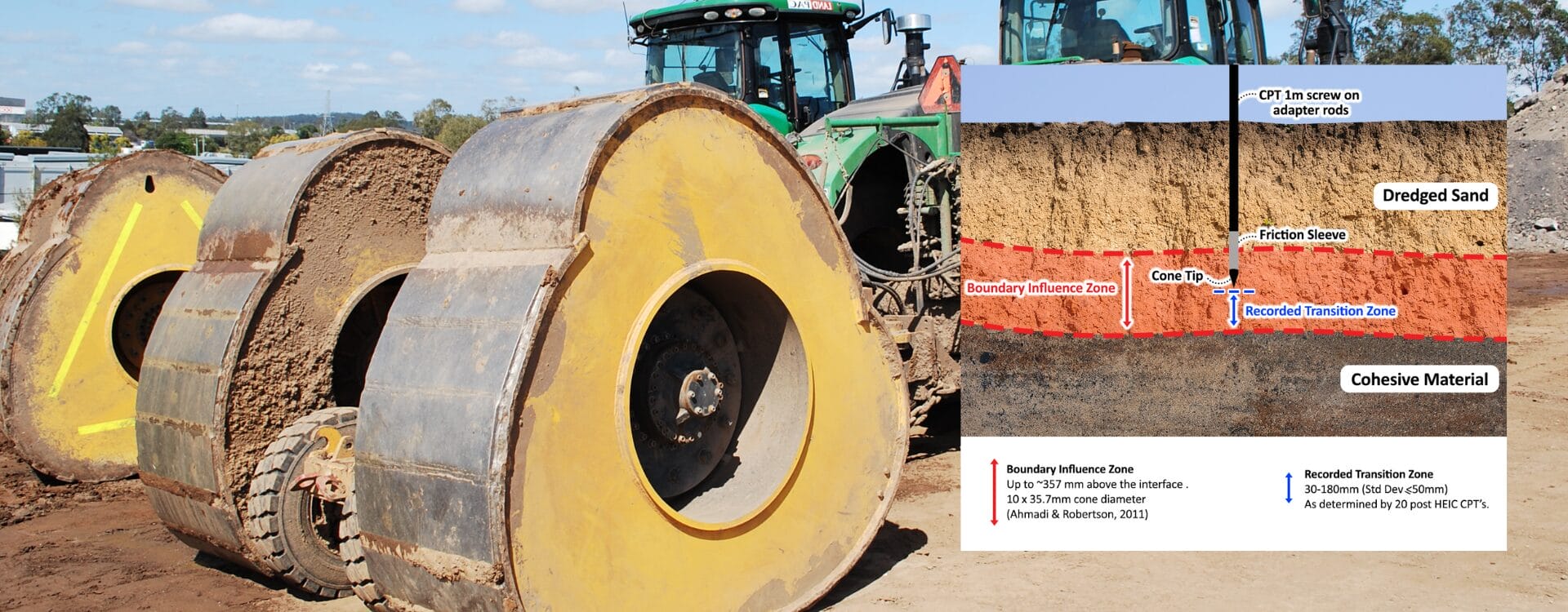
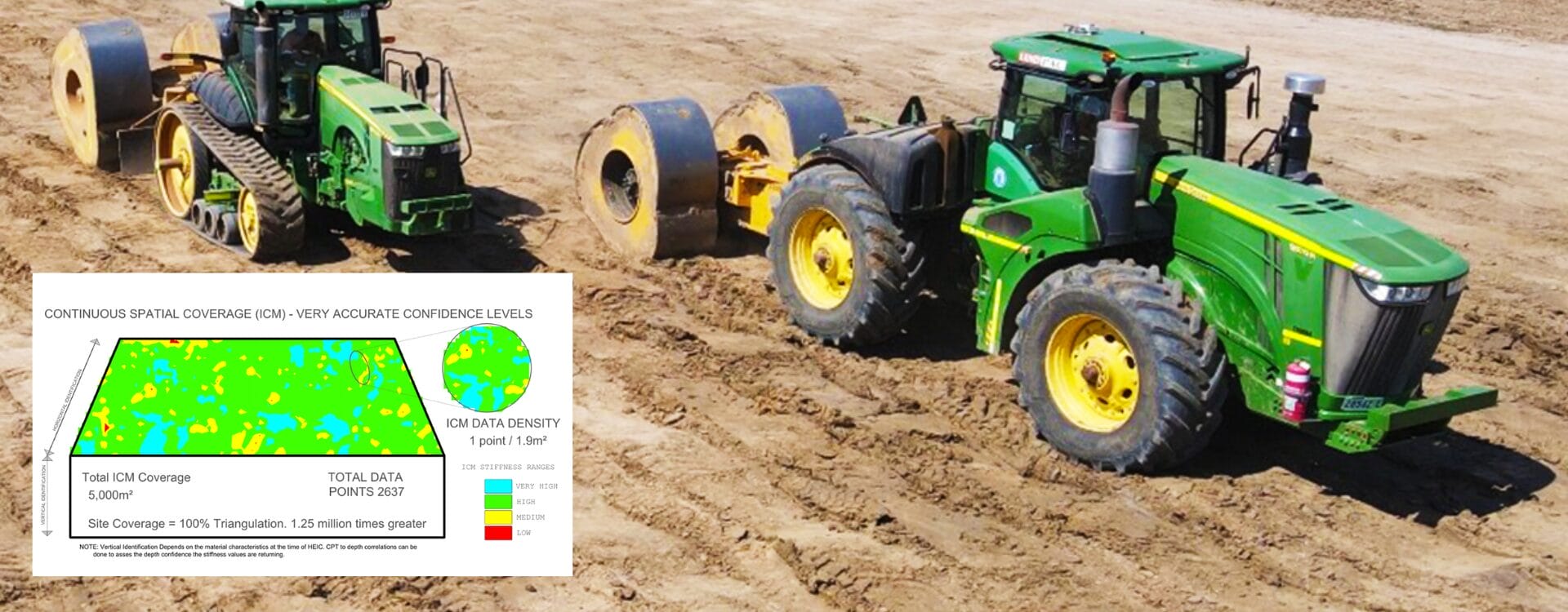
If adverse soil conditions are detected that could bring risk to people or the environment, HEIC allows compaction without the need to unearth or disturb what’s underneath. Get in touch to learn more.
Latest news

High-Energy Impact Compaction: Calibration, Correlation and Ground Response
HEIC does not measure modulus or bearing capacity directly. It measures how the ground responds to impact. This article explains how calibration and correlation transform that response into meaningful, site-specific engineering insight.

Why Modulus Matters: Moving Beyond Density in Ground Improvement
Density has long guided compaction, but it does not reflect how ground performs under load. This article explores the shift to modulus-based verification using HEIC, ICM and in-situ testing.

Uncontrolled vs Contaminated Fill | Why It Matters
Understand the difference between uncontrolled and contaminated fill, the risks of each, and how Landpac’s HEIC method delivers safe, stable ground.