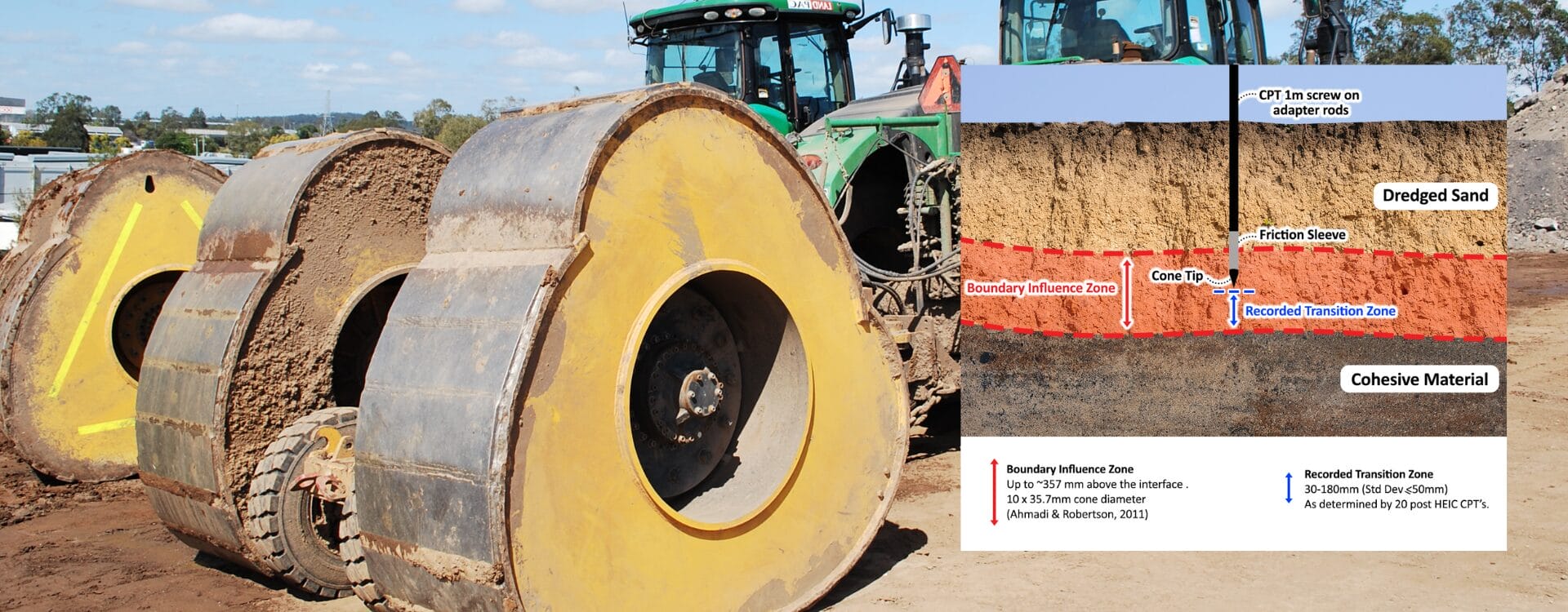
Interpreting qc Response Near Sand-to-Clay Interfaces
Why lower qc values near sand-to-clay interfaces do not always indicate weaker ground conditions.

Why lower qc values near sand-to-clay interfaces do not always indicate weaker ground conditions.
Why lower qc values near sand-to-clay interfaces do not always indicate weaker ground conditions.
Why lower qc values near sand-to-clay interfaces do not always indicate weaker ground conditions.
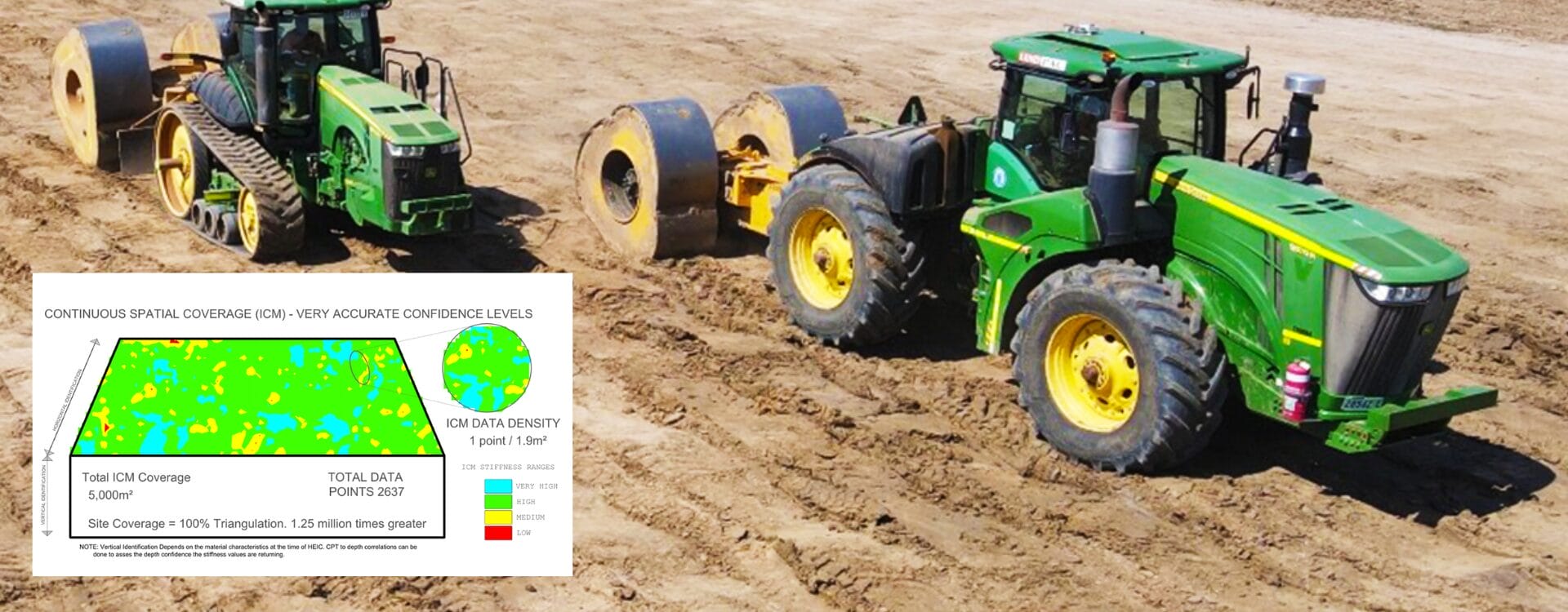
HEIC does not measure modulus or bearing capacity directly. It measures how the ground responds to impact. This article explains
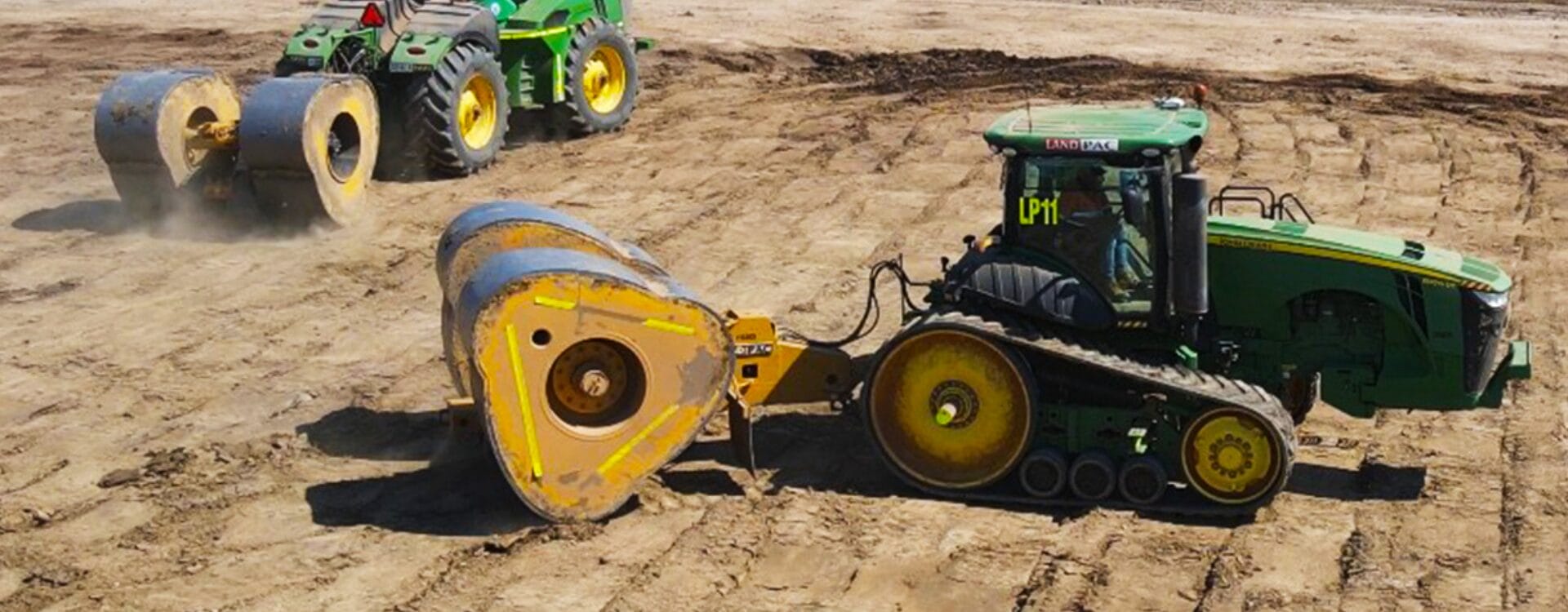
Density has long guided compaction, but it does not reflect how ground performs under load. This article explores the shift
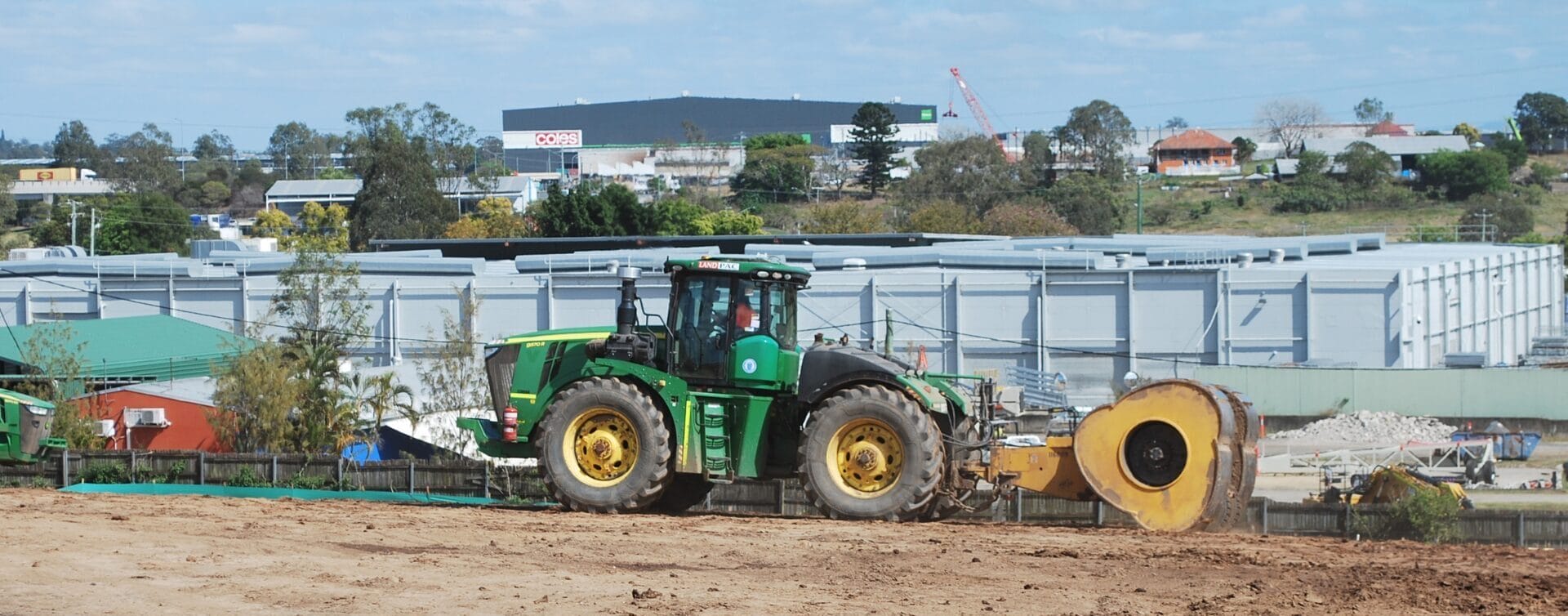
Understand the difference between uncontrolled and contaminated fill, the risks of each, and how Landpac’s HEIC method delivers safe, stable
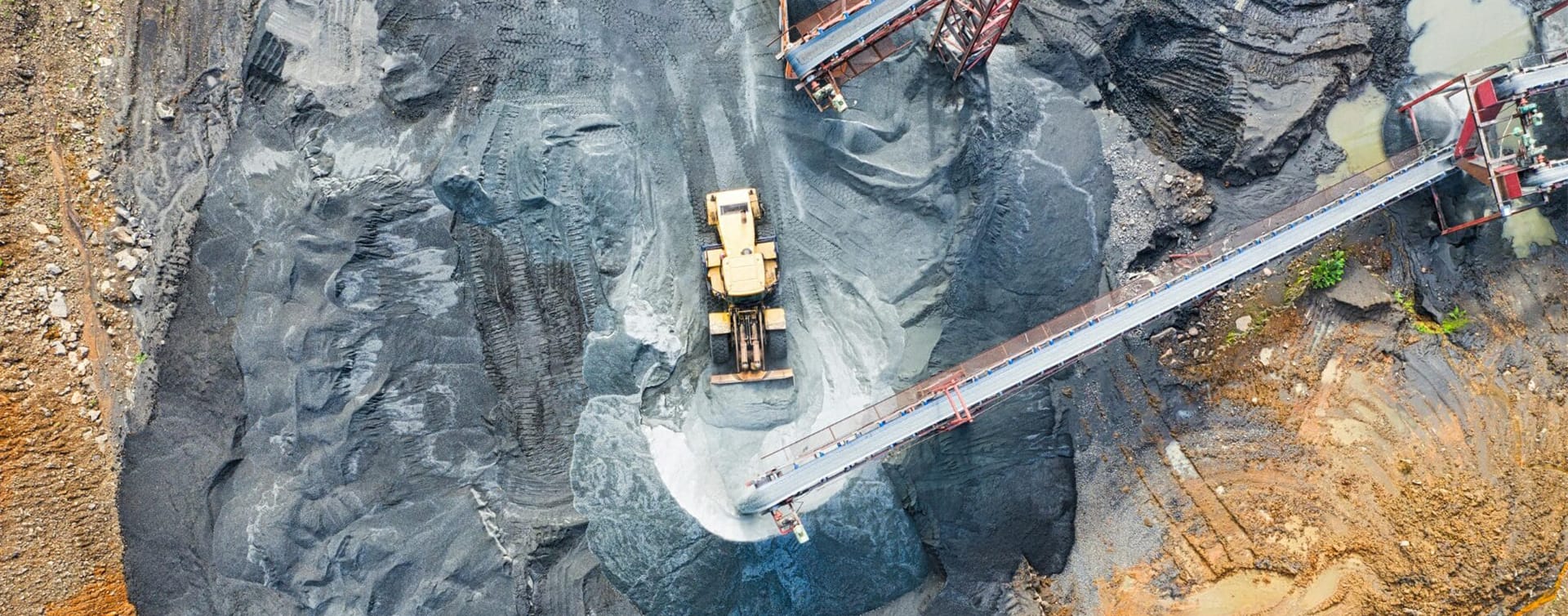
From haul roads in WA to tailings dams in QLD, High-Energy Impact Compaction (HEIC) is reshaping ground improvement across Australia’s
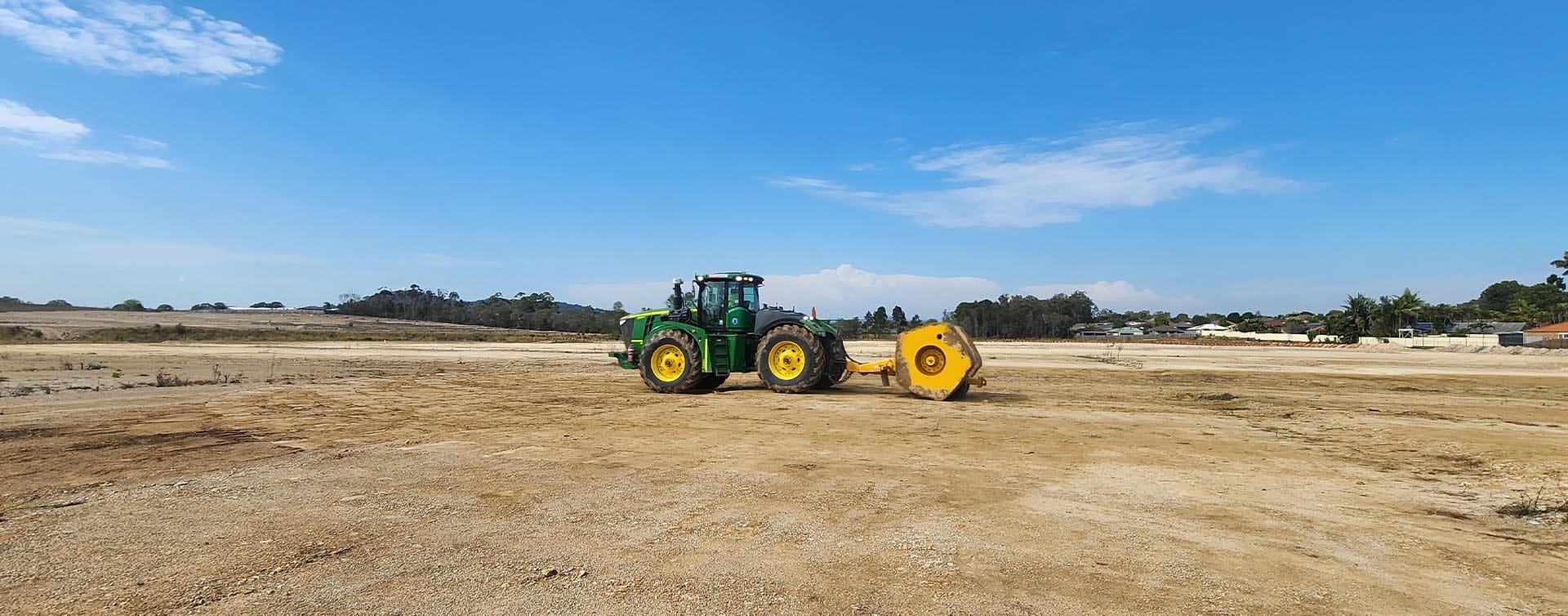
High Energy Impact Compaction (HEIC) revolutionises ground improvement with its ability to achieve superior soil density and stability. Unlike traditional
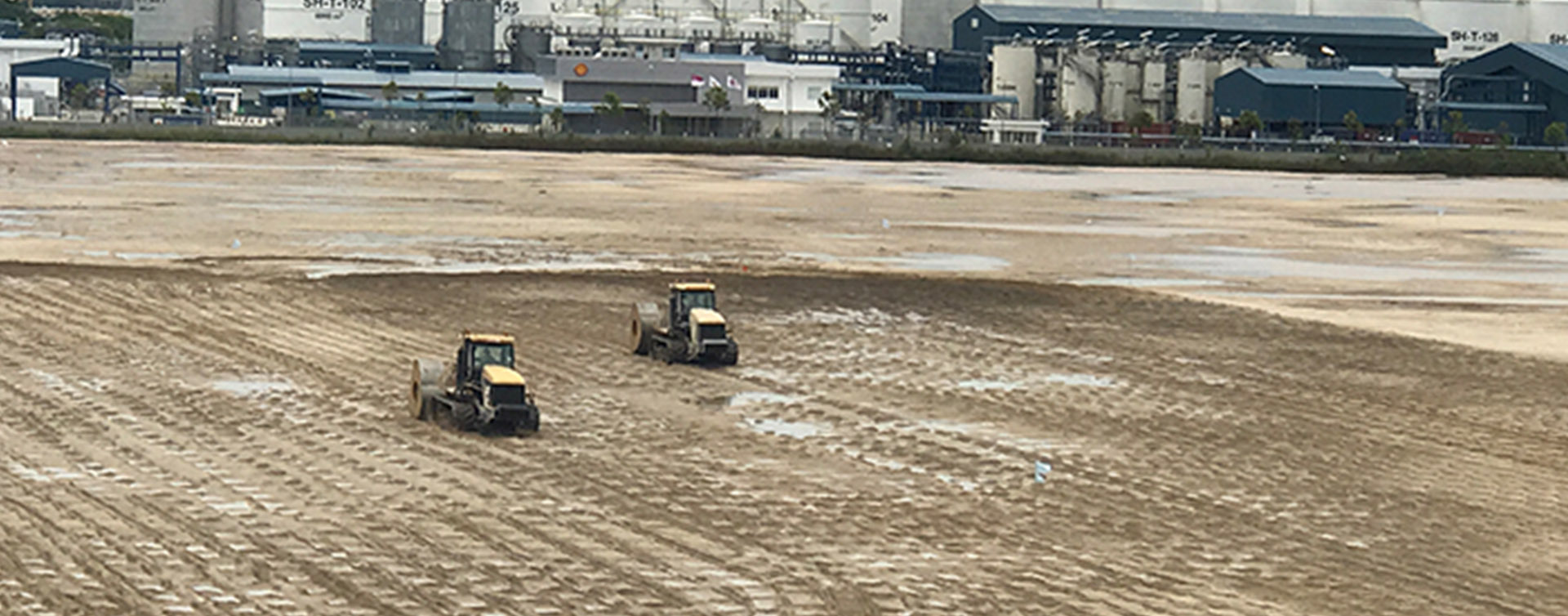
Ground improvement enhances soil stability and strength, reducing risks and costs in construction. Techniques like HEIC ensure efficient, sustainable solutions
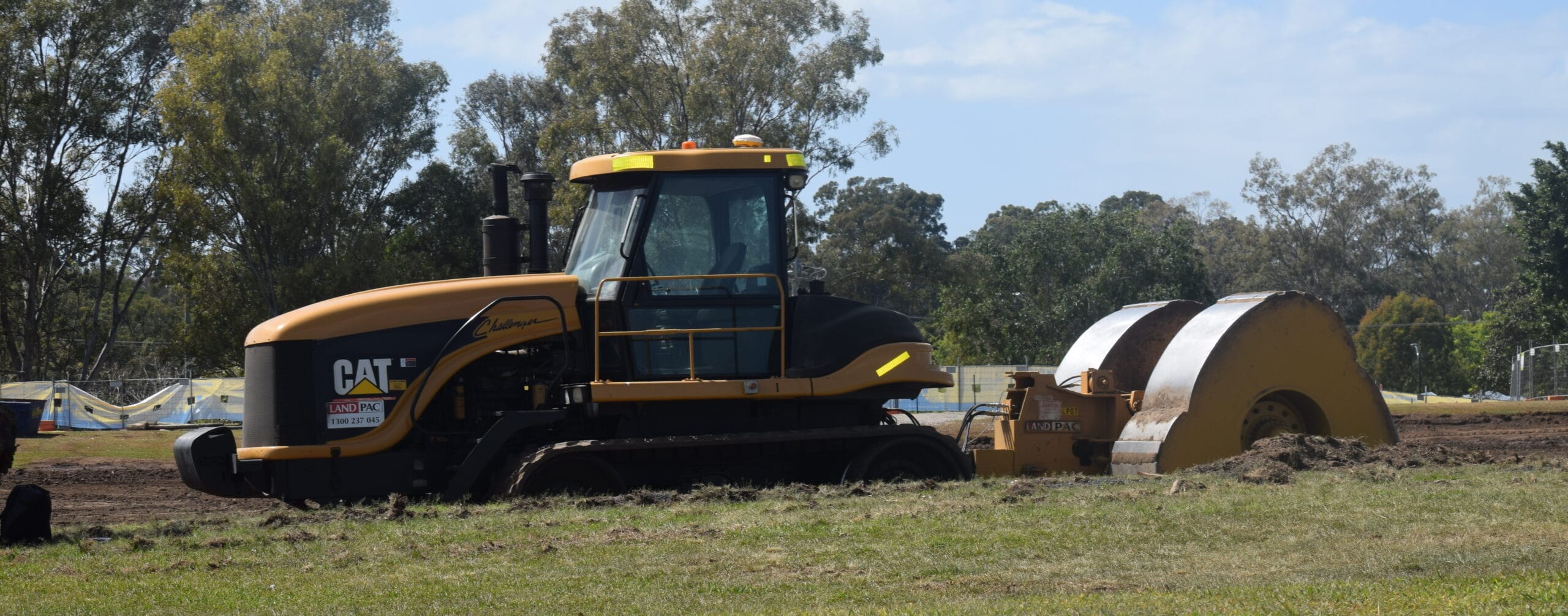
HEIC boosts sustainable construction by stabilising soil, cutting environmental impact, and reusing existing land. It’s a fast, efficient way to
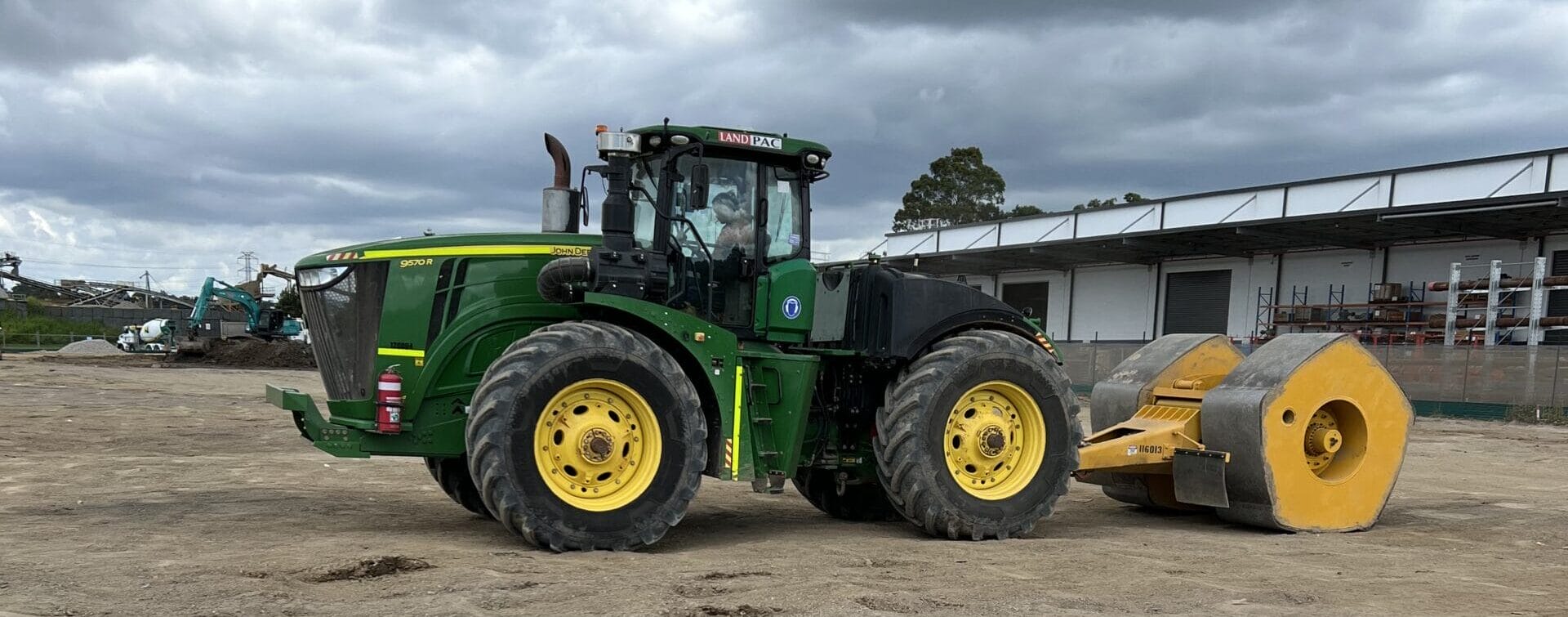
ICM optimises HEIC with real-time data, ensuring uniform soil compaction for stronger, sustainable infrastructure. It reduces material use, energy consumption,