
Uncontrolled vs Contaminated Fill | Why It Matters
Understanding the Difference Between Uncontrolled and Contaminated Fill – and Why it Matters.
In construction, the foundation is everything. The nature of the ground you build on determines everything from design feasibility to cost. Ground conditions are rarely ideal, and two terms often arise when starting a project: uncontrolled fill and contaminated fill. Recognising the distinction between the two is essential for engineers, developers, and construction contractors, as it helps manage risk and deliver durable projects, particularly on brownfield or reclaimed land.
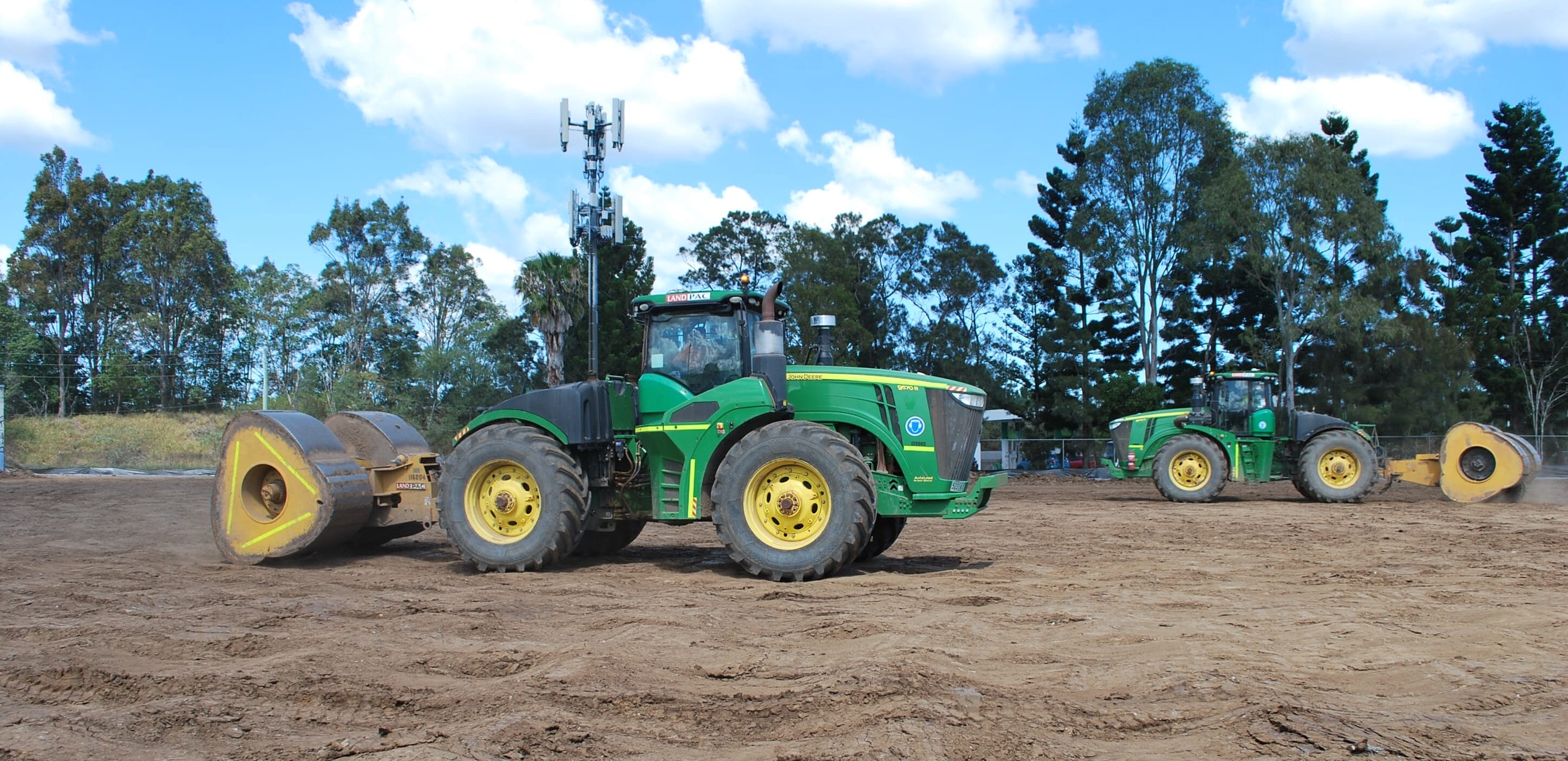
At Landpac, we specialise in High Energy Impact Compaction (HEIC), a proven and highly efficient ground improvement method that delivers superior results, particularly on problematic, variable, or reclaimed ground. We understand that uncontrolled and contaminated fill, each requires tailored solutions, and that identifying the material type is critical to achieving the best outcome. By assessing the fill conditions early, we ensure the right treatment is applied from the outset, setting your project on solid ground.
Ground classification is not just a box-ticking exercise. It influences everything from initial design calculations to health and safety protocols to the long-term behaviour of built assets. Misidentifying fill type can lead to design changes mid-project, inflated budgets, and in some cases, structural failures years down the track.
Contents
What is Uncontrolled Fill?
Uncontrolled fill is material placed on a site without any engineering oversight, record-keeping, or testing. Instead of being carefully layered and compacted to a known standard, it’s often tipped in from multiple unknown sources over the years, everything from mixed soil and clay to bricks, asphalt, timber, and even the occasional surprise finds.
You might see it on:
- Former landfill or tip sites
- Backfilled quarry or mine voids
- Old development sites where demolition rubble and imported fill were dumped without supervision
Because it’s placed without consistent moisture control, grading, or compaction, uncontrolled fill tends to be a patchwork of particle sizes, from fine clays to oversized rubble, with voids and pockets of organic matter that can decay over time. It’s like building on a fruit salad: the surface may look fine, but just below could be anything.
Why It’s a Problem
From a geotechnical perspective, uncontrolled fill is almost impossible to classify or predict through standard site investigations. This unpredictability poses serious risks for stability and compaction:
- Differential settlement – Some areas compress more than others, causing uneven floors, cracked walls, or pavement failure.
- Hidden decay – Organic matter breaks down, leaving voids that trigger sudden subsidence.
- Load uncertainty – Without accurate placement records, engineers are forced to make assumptions about strength and bearing capacity, which can compromise structural safety.
According to Australian Standard AS 1726 – Geotechnical Site Investigations, uncontrolled fill is considered “unsuitable for support of structures without prior improvement or verification of performance.” That means it must be treated before you can safely build on it.
The Takeaway
Trying to achieve reliable, uniform compaction across uncontrolled fill with standard methods is nearly impossible. That’s why it’s one of the leading causes of post-construction ground movement and costly remedial works. The right ground improvement method can turn a high-risk, unpredictable site into a stable foundation, saving both time and money.
What is Contaminated Fill?
Contaminated fill is soil or other material containing hazardous substances in concentrations that exceed safe guideline levels. In Australia, its assessment and management are guided by the ASC NEPM (National Environment Protection (Assessment of Site Contamination) Measure), which sets the national framework for investigating and remediating contaminated land (Department of Climate Change, Energy, the Environment and Water).
Common contaminants found in Australian projects include:
- Asbestos and heavy metals are often left behind from demolition works or older industrial sites.
- Hydrocarbon residues from fuel storage, leaks or heavy machinery use.
- PFAS (per- and poly-fluoroalkyl substances) from firefighting foams, a significant concern around airports, military bases and training facilities (NSW EPA).
- Acid sulphate soils and mining by-products.
- Various industrial chemicals, depending on the site’s history.
Real-world examples show the impact that contaminated fill can have on infrastructure projects. The Forrestfield Airport Link project in Perth, for instance, faced the removal and management of around 900,000 m³ of PFAS-contaminated soil, adding significant cost and logistical challenges (ABC News). Similarly, investigations at RAAF Base Amberley in Queensland identified PFAS contamination in soil and groundwater, triggering comprehensive remediation works and public health management plans (Australian Department of Defence).
The management of contaminated fill is tightly regulated. For example, asbestos-contaminated material must be sealed, labelled, and disposed of at a licensed facility, sometimes located hundreds of kilometres away, under strict protocols outlined by Safe Work Australia. The PFAS National Environmental Management Plan (NEMP) also provides consistent guidance on handling and disposal across all states and territories (DCCEEW).
Why it matters
Contaminated fill is not just a paperwork problem – it can affect every stage of a project, from design through to construction and handover. Left untreated, contaminants can compromise the ground’s load-bearing capacity, leading to settlement or instability under structures.
From a compliance perspective, failing to identify and manage contamination can result in costly stop-work orders, legal penalties, and long-term liability for environmental damage. The transport and disposal of hazardous materials, especially asbestos and PFAS-impacted soil, must follow state and national protocols such as the PFAS National Environmental Management Plan (NEMP) and the relevant state’s asbestos disposal guidelines.
The combination of geotechnical and environmental risk means contaminated fill demands an integrated solution: stabilising the ground to meet engineering standards while ensuring all contaminants are contained or removed in line with the law. In many cases, effective remediation early in the project can save months of delays and substantial budget blow-outs.
Sites with Both Uncontrolled and Contaminated Fill
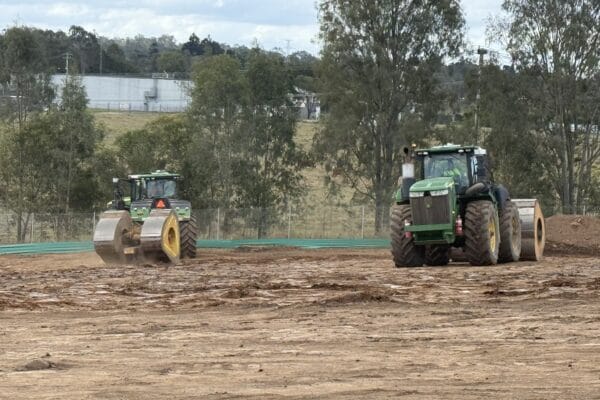
Many brownfield or industrial sites will have both uncontrolled and contaminated fill, presenting a unique set of complications that will affect design and construction. Uncontrolled fill is unpredictable, which makes it challenging to assess load-bearing capacity and settlement risks. Contamination from asbestos, heavy metals, or any other source multiplies the risks. Not only should the unpredictability be addressed, but also the health, safety, and environmental requirements of handling hazardous materials. This complicates the project at all stages, as traditional excavation can expose workers and the environment to contaminants, while failing to deliver reliable compaction can compromise structural integrity. These sites are often best managed in situ, minimising excavation and reducing the need for costly off-site disposal.
A common example is former landfill sites redeveloped for industrial or residential use. These can contain decades-old mixed waste (uncontrolled) alongside buried asbestos sheeting (contaminated). In such cases, excavation is not only expensive but also a major environmental liability. In-situ improvement allows the site to be safely stabilised while keeping contaminants contained.
Challenges with Conventional Treatment Methods
Before discussing HEIC, it’s important to note why traditional approaches often fail:
- Remove and replace – costly, time-consuming, and increases truck movements, which in turn increases environmental risk and community disruption.
- Deep excavation with capping – can still leave uncontrolled layers beneath, creating future settlement problems.
- Traditional rolling compaction – limited in depth influence; struggles to achieve uniform results in heterogeneous material.
These methods can still have a place, but in many mixed-fill scenarios, they are inefficient, environmentally unsustainable, or simply ineffective at achieving the required compaction and containment outcomes.
The Role of HEIC
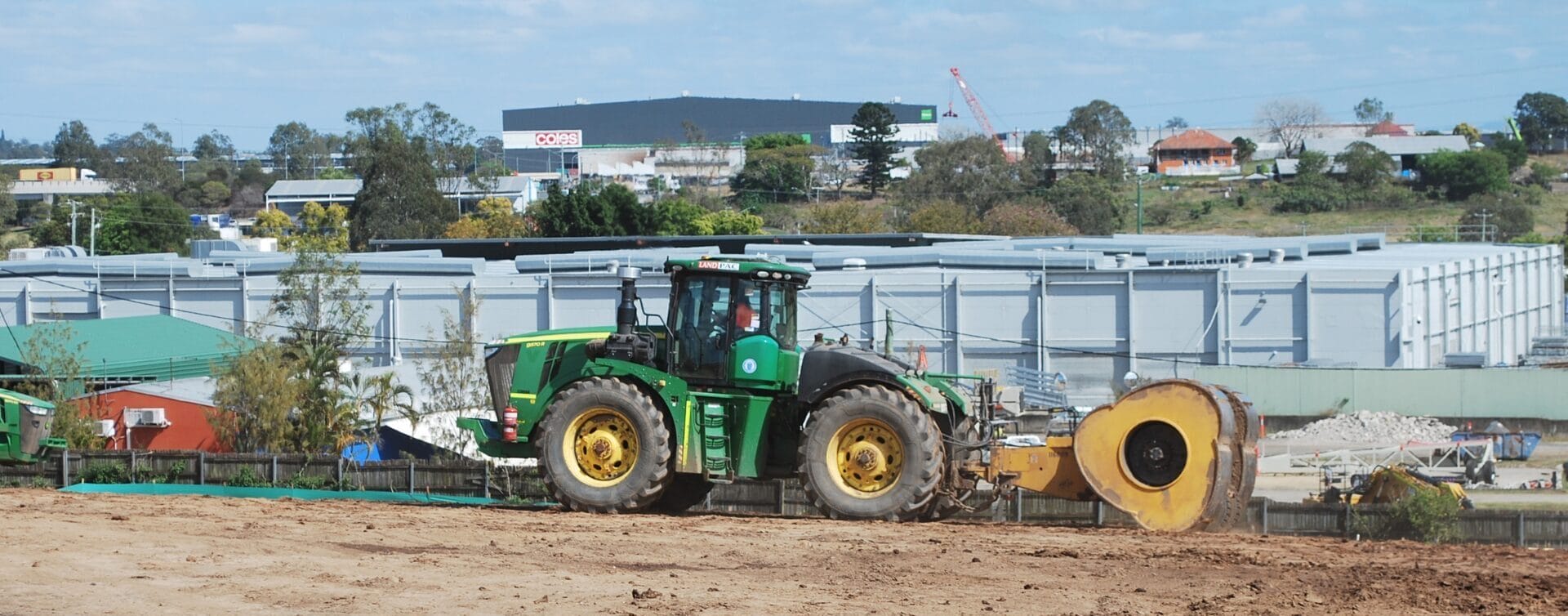
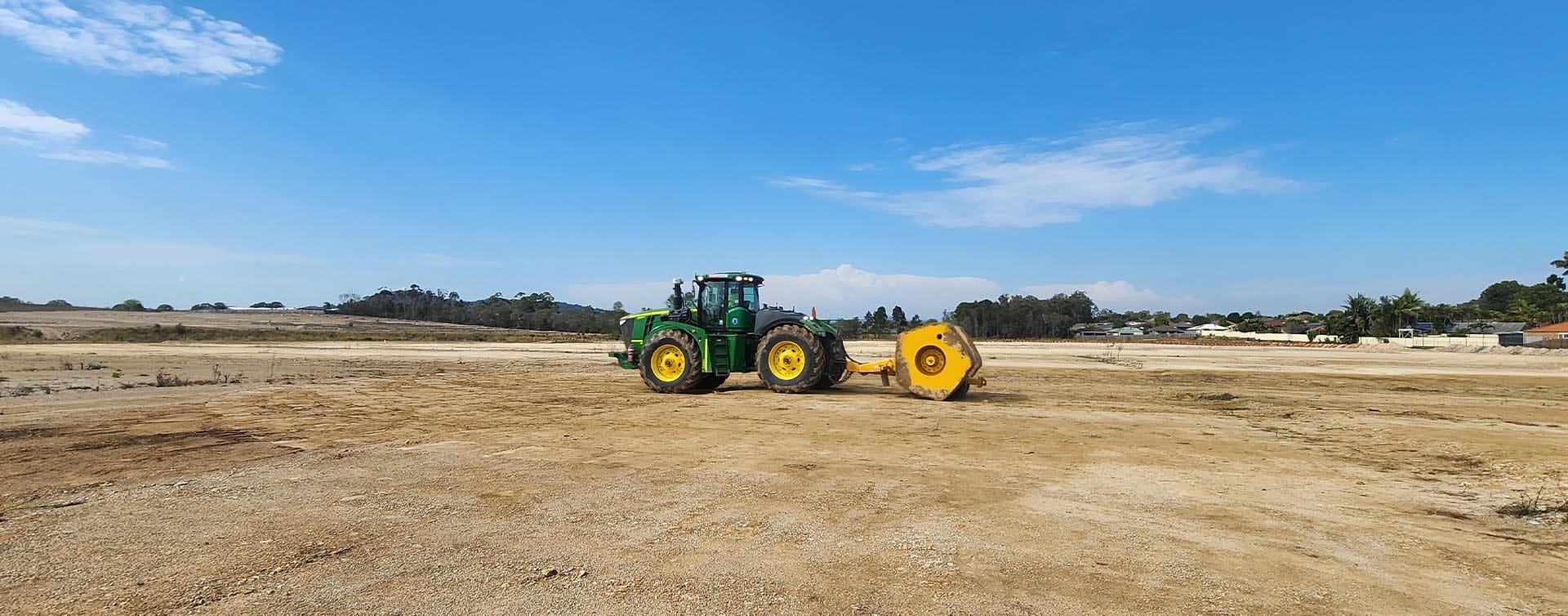
High Energy Impact Compaction (HEIC) is a targeted solution for sites challenged by uncontrolled and/or contaminated fill. It works by repeatedly impacting the soil with high energy, rearranging the soil particles and increasing density to enhance load-bearing capacity. This in-situ treatment saves time and cost (no need to dig and cart) and drastically reduces the risk of exposure to contaminants and environmental liability, since contaminants are confined within the fill rather than dispersed.
HEIC’s adaptability to a broad range of moisture contents and materials means it can deliver results where conventional compaction fails. By enabling faster, more predictable ground improvement with reduced trucking, waste, and remediation obligations, HEIC minimises project risk and helps control budgets across complex sites. Properly treated ground via HEIC also leads to more resilient infrastructure, lowering long-term maintenance costs and ensuring greater longevity for civil assets.
Technical advantages include:
- Penetration depths up to several metres, allowing densification of deep fill layers.
- Real-time compaction verification using Intelligent Compaction Measurement (ICM) systems.
- Suitability for compacting lifts to 1.5 m thick, reducing the required passes.
- Proven performance across highly variable material types, from dredged silt to crushed concrete.
For contaminated sites, HEIC can also:
- Reduce permeability, limiting leachate migration.
- Confine contaminants beneath engineered capping layers without disturbance.
- Minimise dust generation compared to excavation and rehandling.
Real World Applications
Bringing Landpac’s expertise in the early stages before any work begins gives engineers, developers, and contractors a powerful advantage. Our specialised team will assess ground conditions, identify the true nature of your fill, and tailor practical solutions that unlock the full value of your site.
We collaborate closely with geotechnical consultants and environmental engineers to integrate HEIC into broader remediation and development strategies. This ensures our work aligns with both structural design requirements and environmental compliance obligations.
Don’t leave anything to chance. Connect with our specialists now to see how we’ve delivered tangible results.
Here are some case studies that demonstrate how we’ve assisted previous projects:
Amberley Air Base, Queensland
At the Amberley RAAF Base, Landpac applied High Energy Impact Compaction (HEIC) to improve an uncontrolled fill area spanning roughly 11,500 m². The fill, up to 4.5 metres thick, consisted of loose sandy gravel over compressible alluvium, posing challenges for aircraft pavement construction. HEIC was used to densify the fill and promote consolidation in the underlying layers. Post-treatment CPT and DCP testing confirmed increased soil strength and uniformity, delivering a stable foundation for critical infrastructure.
📄 Read more: Amberley Air Base Case Study (PDF)
Lorimer Street, Port Melbourne
On a former wharf site in Port Melbourne, Landpac deployed HEIC to treat uncontrolled fill up to 6 metres deep over a 6,300 m² area. With variable ground conditions and a future multi-storey development planned, the goal was to increase ground stiffness and reduce long-term settlement risk. HEIC successfully densified the upper 2–3 metres of fill—an area where conventional deep compaction often struggles. Verification testing, including CPTs, DCPs, and settlement monitoring, confirmed a uniform and robust improvement.
📄 Read more: Lorimer Street Case Study (PDF)
Kooragang Island Coal Export Terminal, Newcastle NSW
At Kooragang Island, Landpac applied HEIC to improve 3.5 million m³ of dredged fill over a 40 ha site for a major coal export terminal expansion. The underlying soils were soft and comprised dredged sands over soft clays and silts. HEIC delivered the required ground stability under stockpiles, conveyors and loading‑areas, by enhancing compaction, reducing settlement risk and ensuring long‑term performance for this critical infrastructure. Monitoring with CPT, DCP and settlement systems verified the outcome.
📄 Read more: Kooragang Island Coal Export Terminal – Landpac
Chek Lap Kok Airport, Hong Kong
Built mainly on reclaimed land, Chek Lap Kok Airport’s platform was formed over weak and variable ground conditions. Landpac used HEIC to improve these challenging soils for runways, taxiways and terminal areas. The method enhanced bearing capacity, reduced settlement and ensured long‑term soil stability. Rigorous testing confirmed performance. Operating in a high‑traffic live airport environment also demonstrated HEIC’s flexibility, enabling staged works without major disruption.
📄 Read more: Chek Lap Kok Airport – Landpac
Port Tanger (Tanger MED 2), Morocco
For the Tanger MED 2 port expansion in Morocco, Landpac used HEIC to stabilise 5 million m³ (approx) of dredged backfill across a 140 ha site. While deep vibro‐compaction struggled in the upper 2‑3 m of loose marine sands, HEIC delivered the required surface compaction, improving soil stability and preparing the platform for heavy paved infrastructure. Verification testing confirmed performance and supported successful delivery of this major maritime infrastructure project.
📄 Read more: Tanger MED 2 Project – Landpac Projects
Sector Specific Relevance
- Civil contractors – HEIC can keep programs on track by improving problematic fill without long delays for removal.
- Property developers – Redevelop previously unusable land cost-effectively while meeting safety and environmental standards.
- Mining operators – Stabilise haul roads, tailings dams, and rehabilitation sites in remote locations with minimal plant mobilisation.
- Government bodies – Reclaim parkland, sports fields, and public infrastructure sites safely and sustainably.
- Geotechnicians – Gain real-time verification of compaction quality and depth using ICM, improving design confidence.
The combination of speed and reduced heavy plant requirement compared to alternative methods contributed to significant program savings for the client.
Classify Early, Build Smart
The risks associated with poor ground conditions can affect timelines, inflate budgets, and compromise structural integrity. That’s why early, accurate classification is essential to managing risk and ensuring your project succeeds.
By engaging Landpac from the outset, you can access expert ground assessment and tailored solutions that improve performance, reduce costs, and eliminate uncertainty. Whether you’re working with problematic fill or planning a complex build on reclaimed land, we can help you make the right decisions from day one.
Explore more of our case studies to see how Landpac’s HEIC solutions have delivered results across challenging sites and discover what’s possible when you start from the ground up.
As urban expansion and infrastructure renewal place increasing pressure on marginal land, the ability to safely and economically reuse sites with uncontrolled or contaminated fill will become a competitive advantage. Early classification and the right treatment method will be the difference between a project that fights the ground and one that works with it.
Latest news
Uncontrolled vs Contaminated Fill | Why It Matters
Understand the difference between uncontrolled and contaminated fill, the risks of each, and how Landpac’s HEIC method delivers safe, stable ground.
High-Energy Impact Compaction in Australian Mining
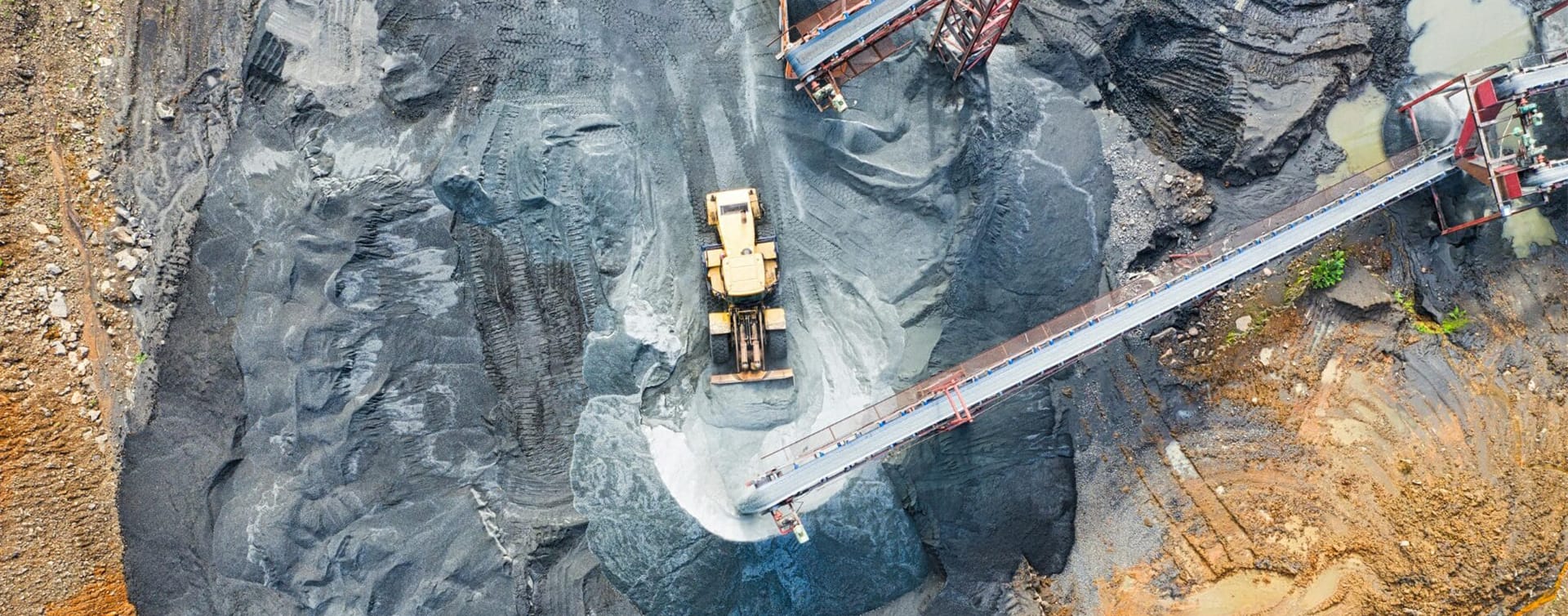
From haul roads in WA to tailings dams in QLD, High-Energy Impact Compaction (HEIC) is reshaping ground improvement across Australia’s mining operations. Backed by Intelligent Compaction Measurement (ICM), HEIC delivers faster, deeper, and more reliable results, boosting safety, sustainability, and cost-efficiency in some of mining’s toughest conditions.
Understanding High Energy Impact Compaction (HEIC)
High Energy Impact Compaction (HEIC) revolutionises ground improvement with its ability to achieve superior soil density and stability. Unlike traditional methods, HEIC uses advanced rollers and compaction technology to penetrate deeper soil layers.