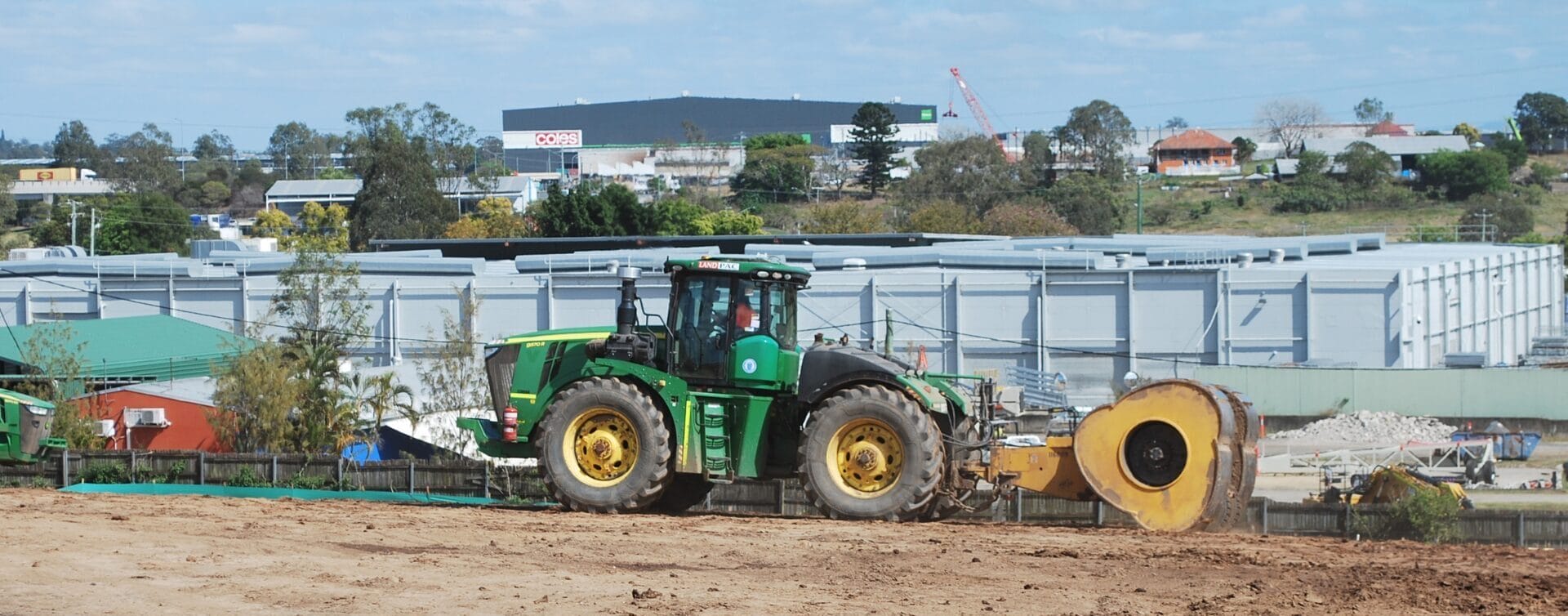
Uncontrolled vs Contaminated Fill | Why It Matters
Understand the difference between uncontrolled and contaminated fill, the risks of each, and how Landpac’s HEIC method delivers safe, stable ground.

Understand the difference between uncontrolled and contaminated fill, the risks of each, and how Landpac’s HEIC method delivers safe, stable ground.
Understand the difference between uncontrolled and contaminated fill, the risks of each, and how Landpac’s HEIC method delivers safe, stable ground.
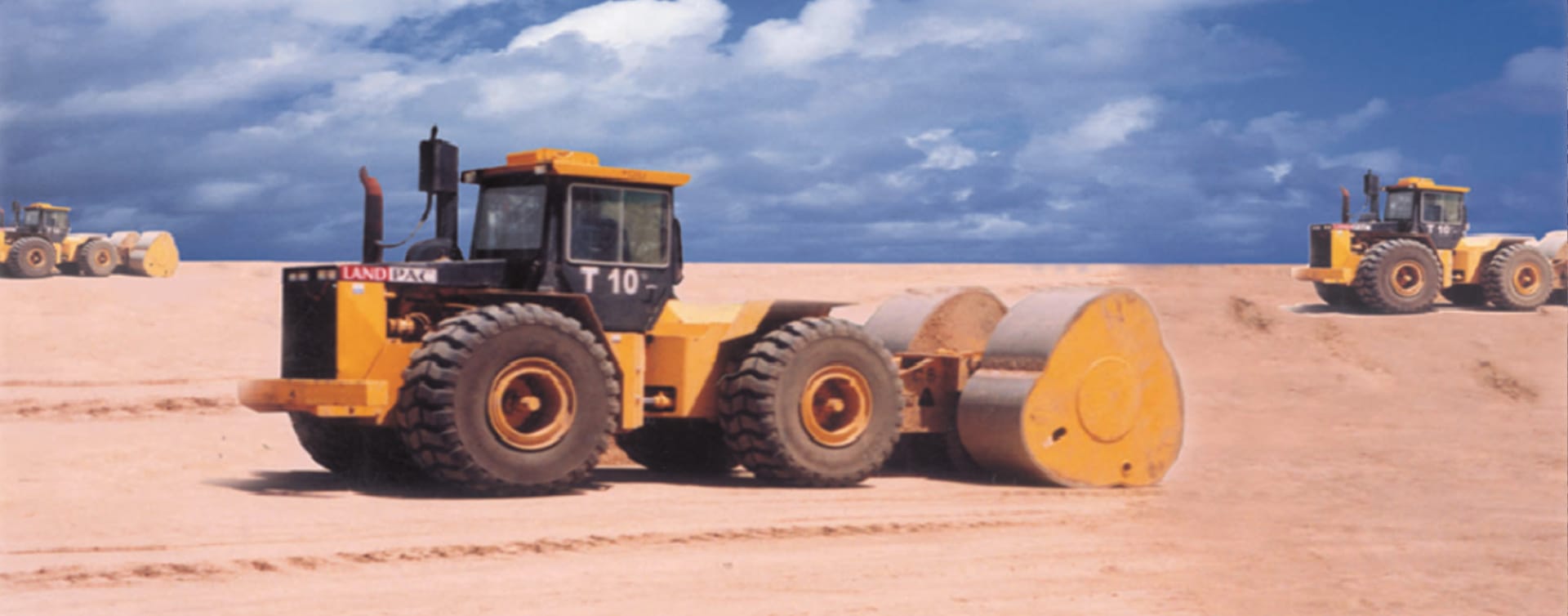
Through Landpac’s expertise in HEIC, Chek Lap Kok Airport successfully addressed its soil compaction and stability challenges, laying a robust

Liquefaction is a phenomenon that can occur in saturated soils during seismic events, causing significant damage to structures and infrastructure.
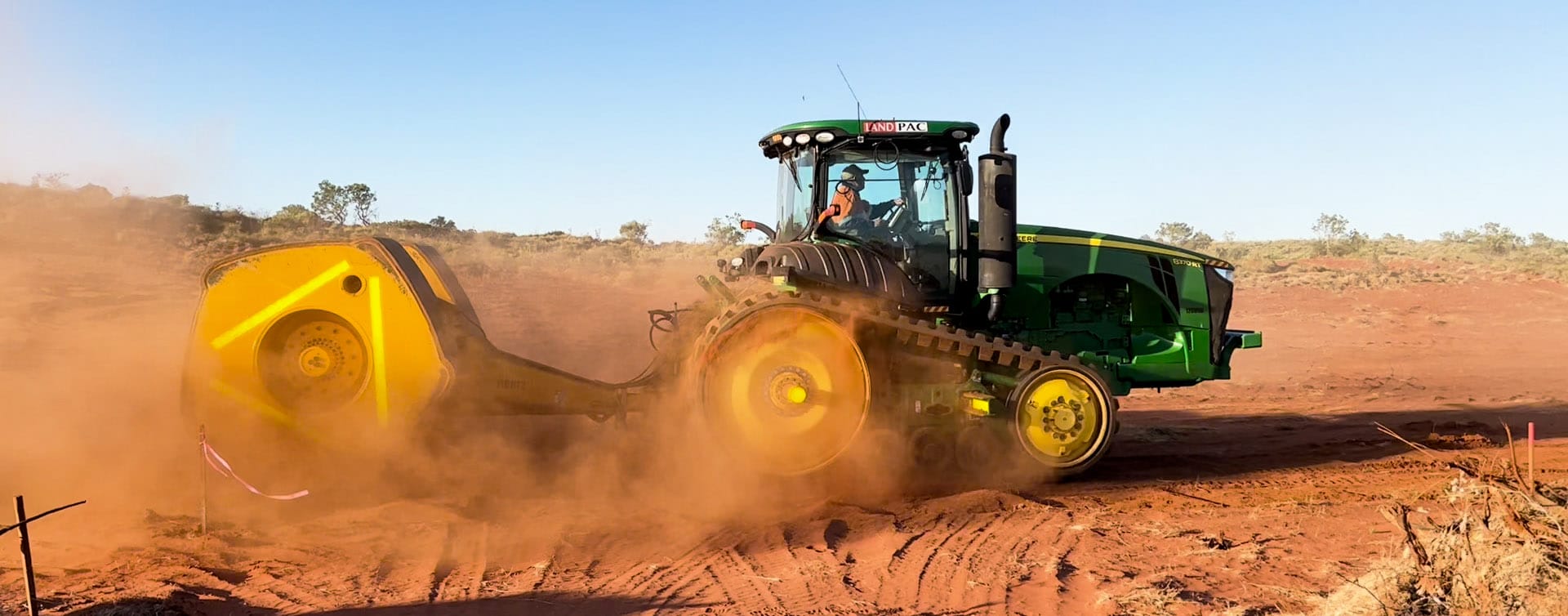
High Energy Impact Compaction (HEIC) is a powerful technique that can be employed for the treatment of dry materials, offering
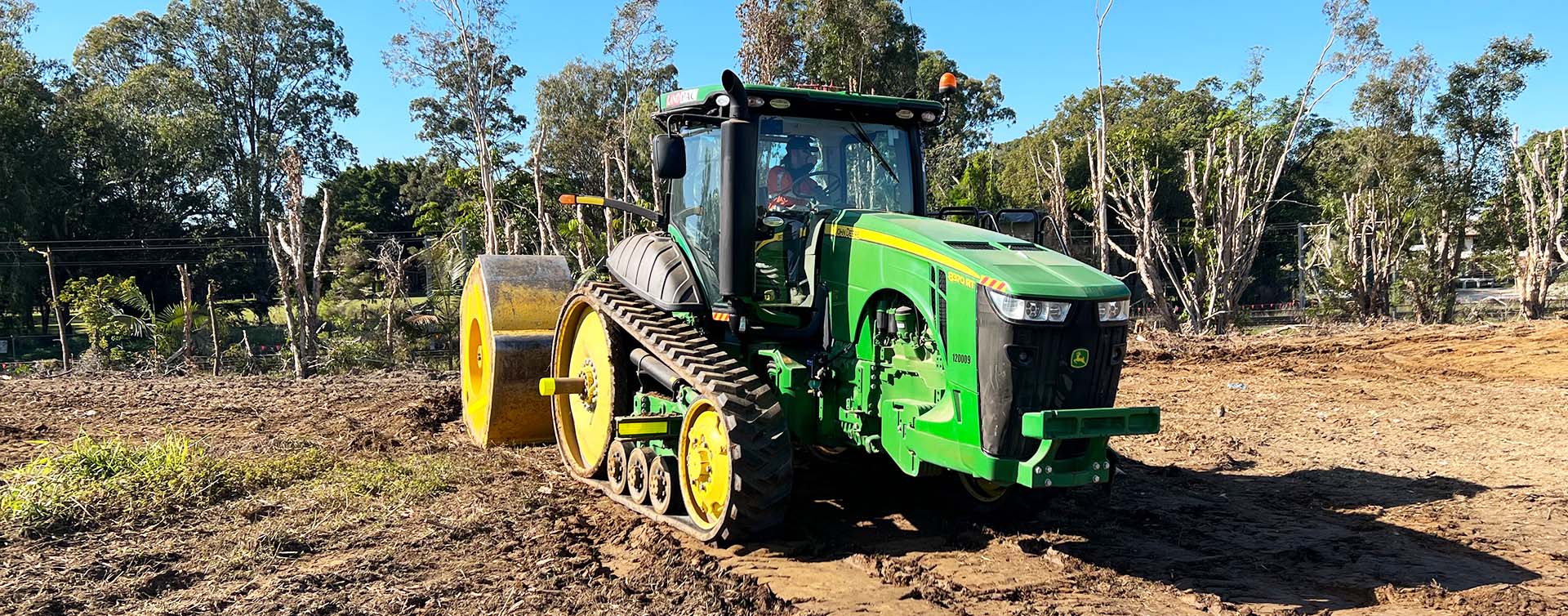
Landfills play a crucial role in waste management, providing a controlled environment for the disposal of solid waste materials.
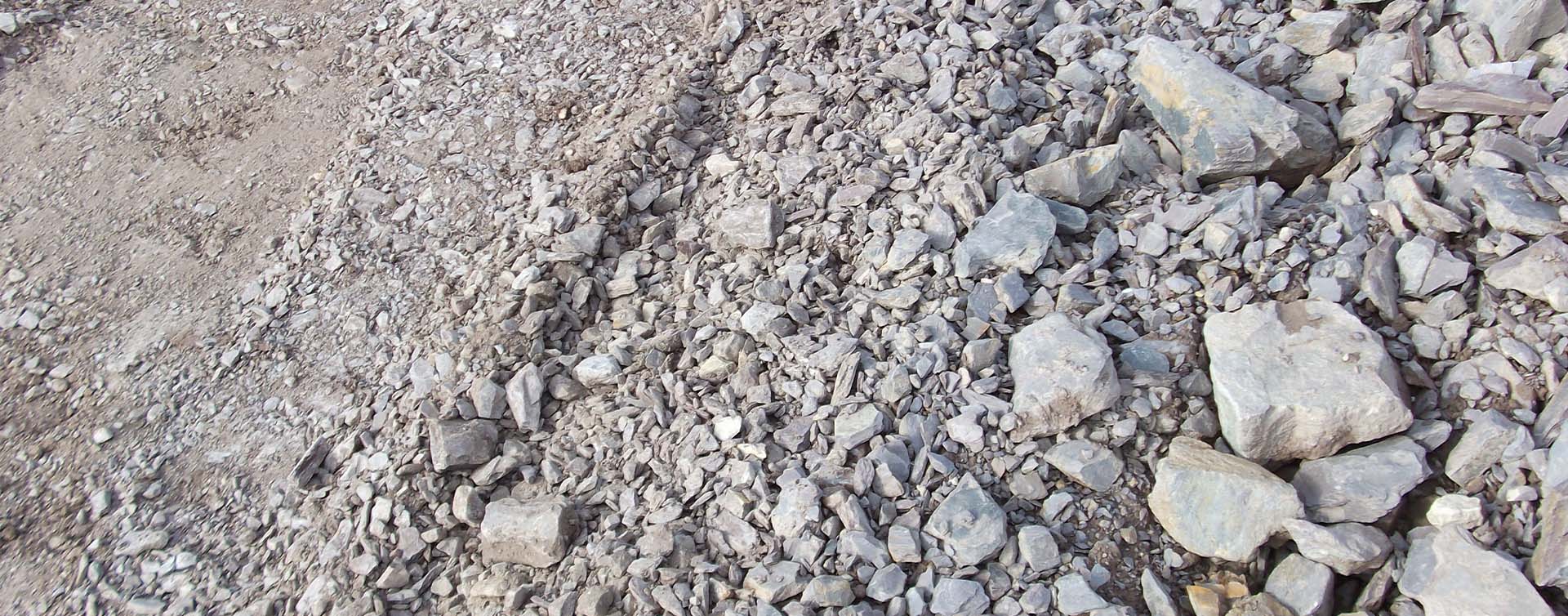
High Energy Impact Compaction (HEIC) is a powerful technique that can be utilised for concrete breaking, offering several advantages over
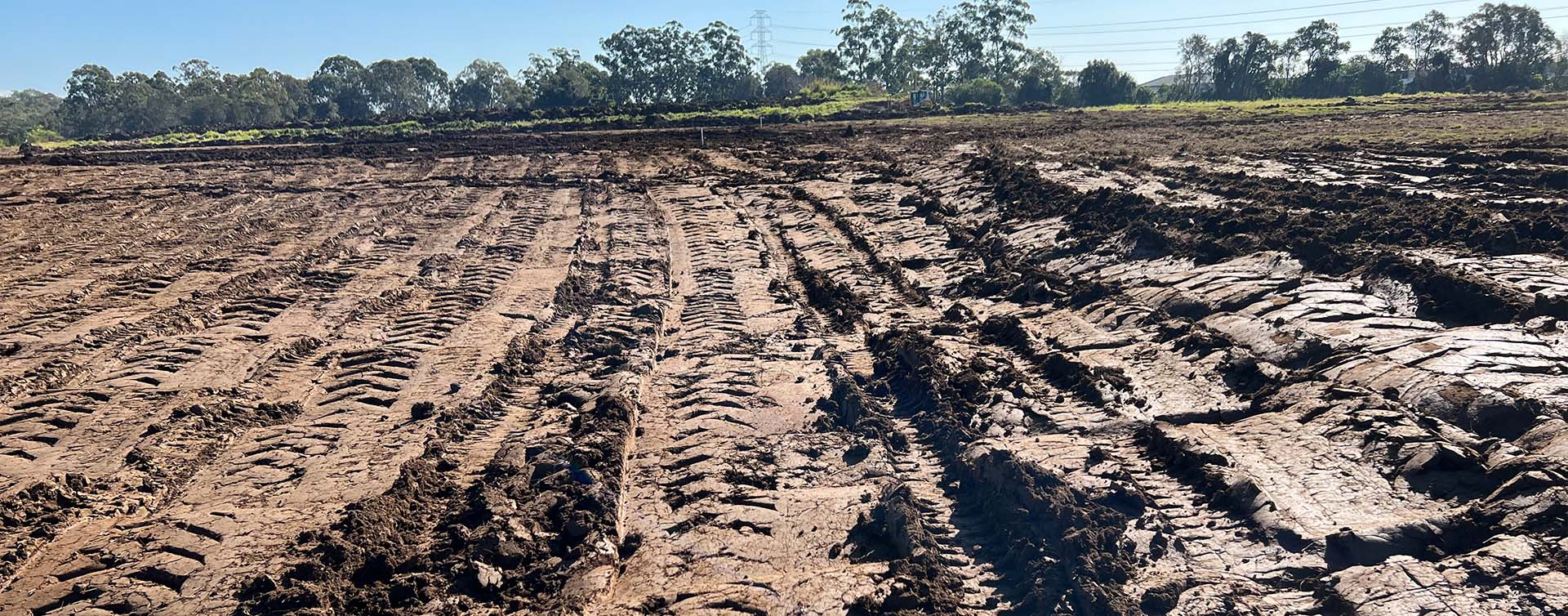
In geotechnical engineering, the placement of thick layers of fill material is a common practice in various construction projects
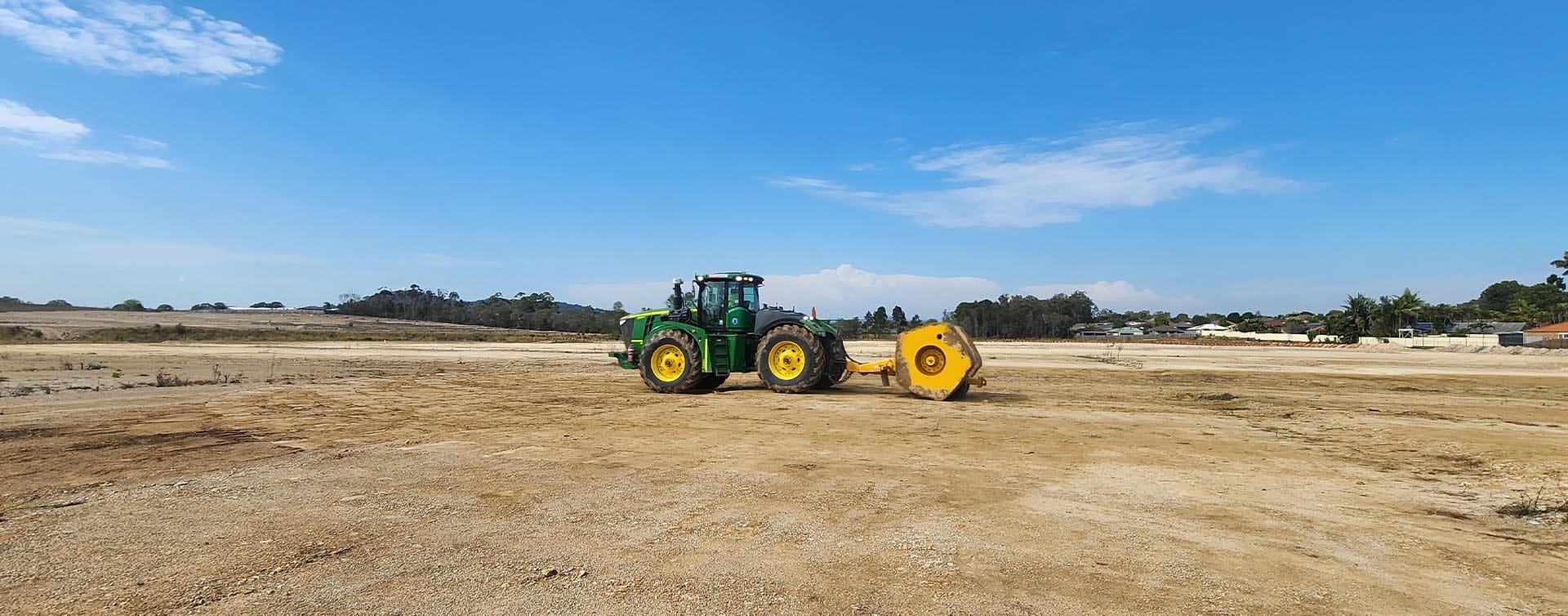
Proof rolling is a field testing technique used in geotechnical engineering to assess the integrity and stability of the subgrade

One of the most significant challenges in geotechnical engineering is managing the permeability of soils. Permeability is a measure of

In the mining industry, managing coal discard or coal waste is a significant challenge. Left unmanaged, these discards can lead