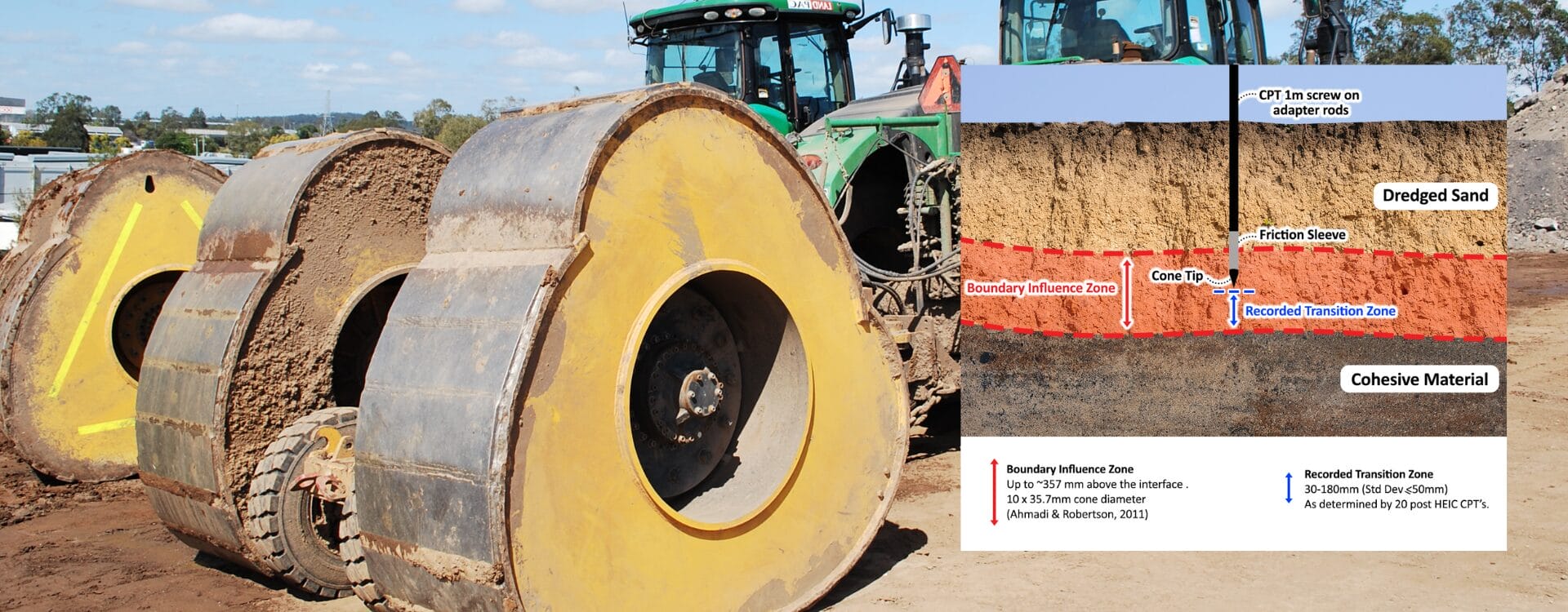
Interpreting qc Response Near Sand-to-Clay Interfaces
Why lower qc values near sand-to-clay interfaces do not always indicate weaker ground conditions.

Why lower qc values near sand-to-clay interfaces do not always indicate weaker ground conditions.
Why lower qc values near sand-to-clay interfaces do not always indicate weaker ground conditions.
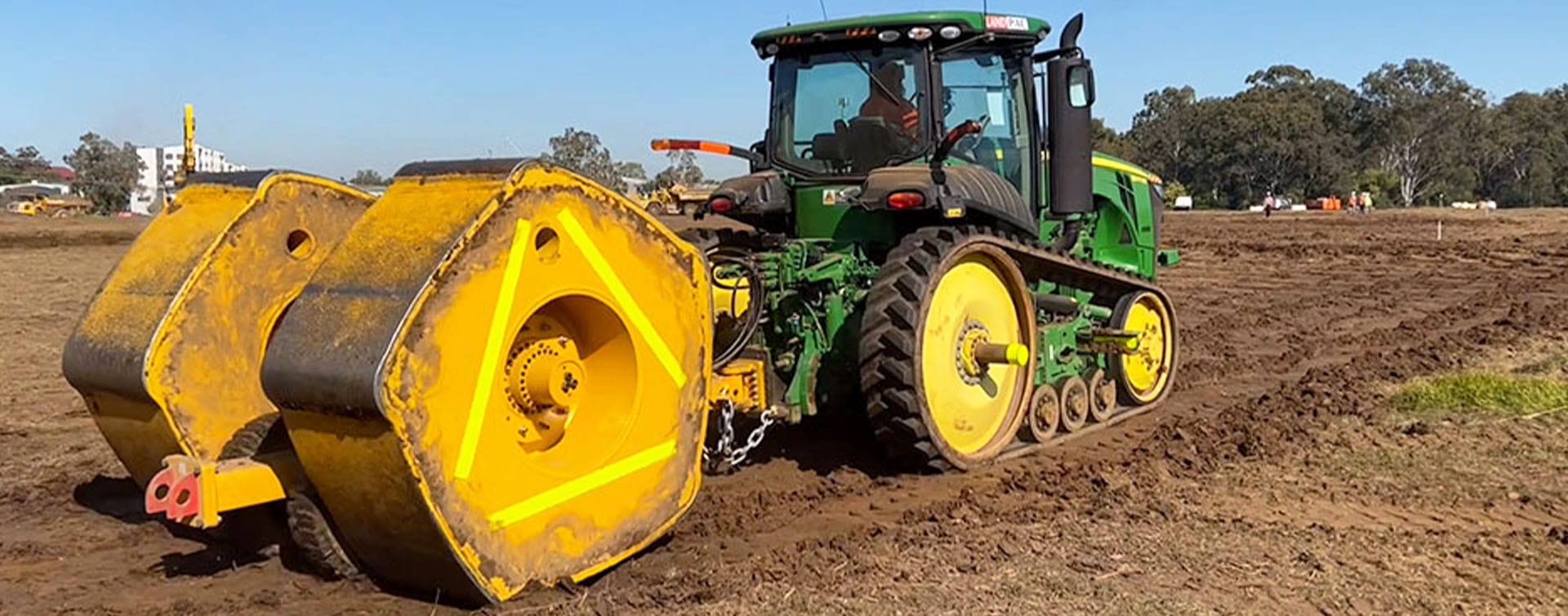
HEIC compacts soil with high-energy impacts, boosting stability, reducing excavation, and saving costs. Landpac delivers efficient, tailored solutions for ground
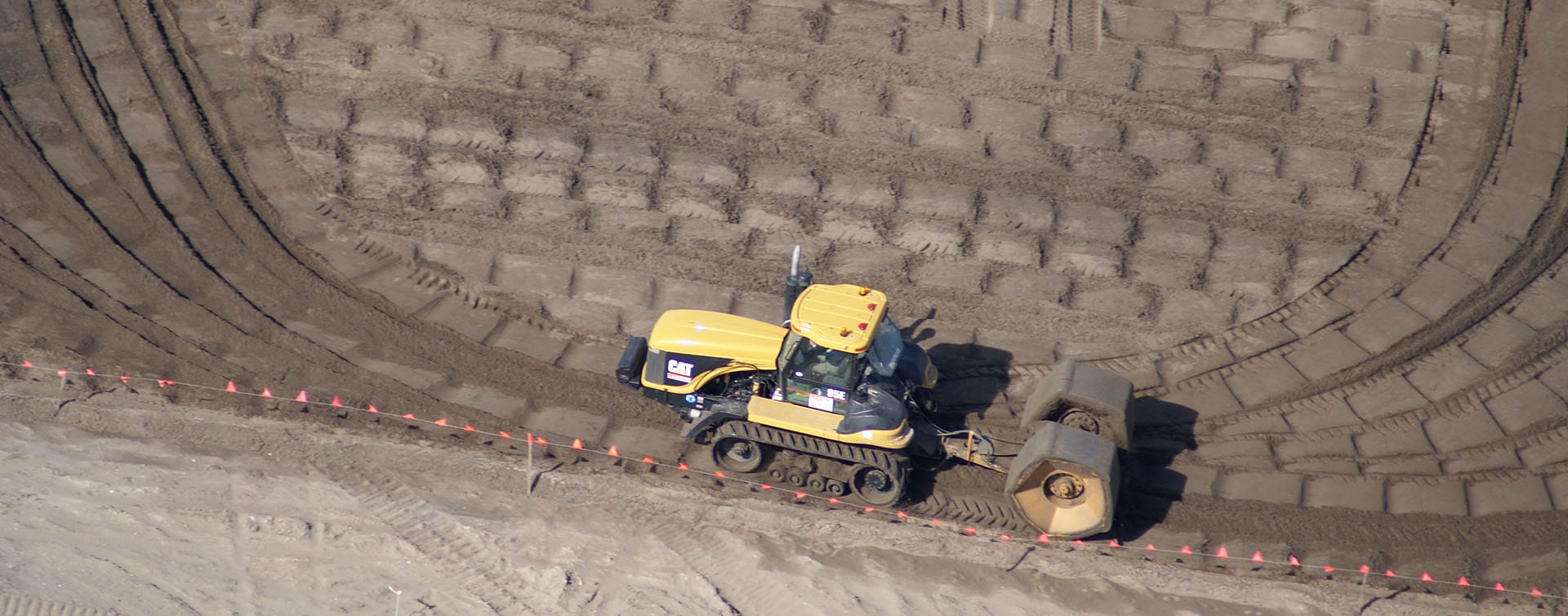
Site soil characterisation is essential for assessing soil strength and stability before and after deep compaction. It guides engineers in
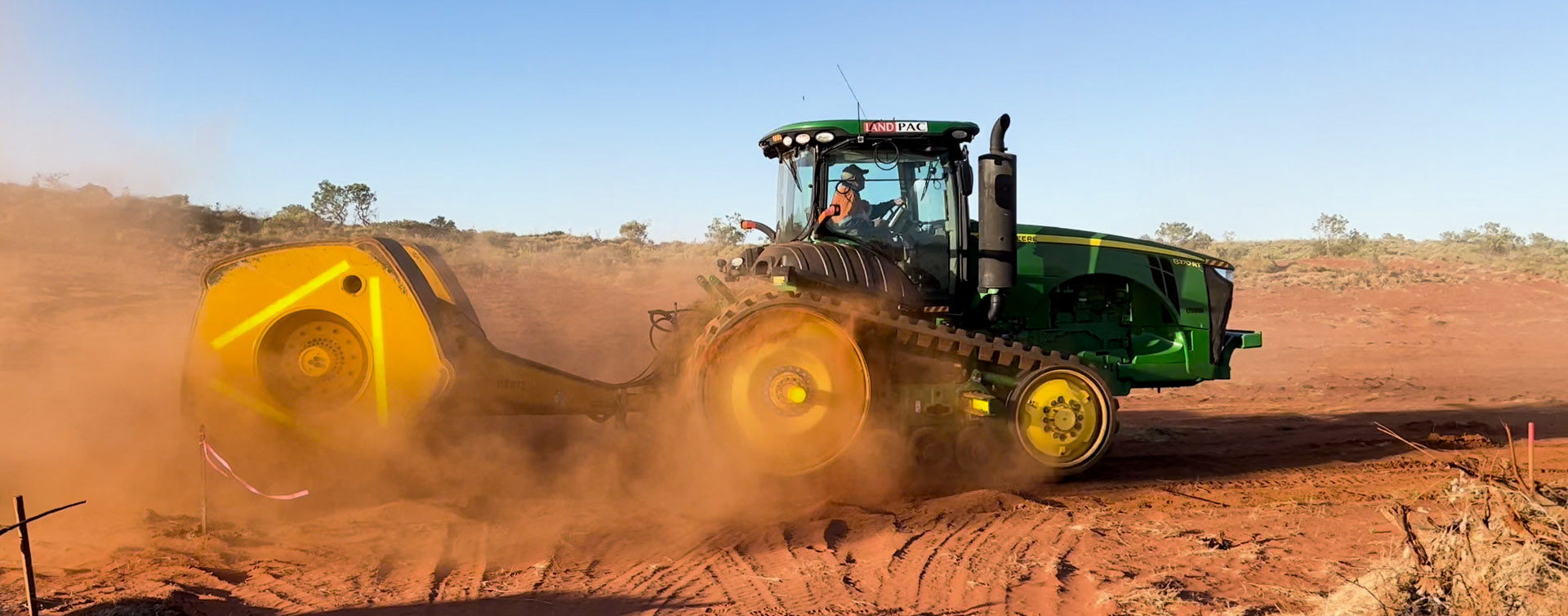
Ground improvement is a fundamental aspect of civil and geotechnical engineering, crucial for ensuring the stability and integrity of construction
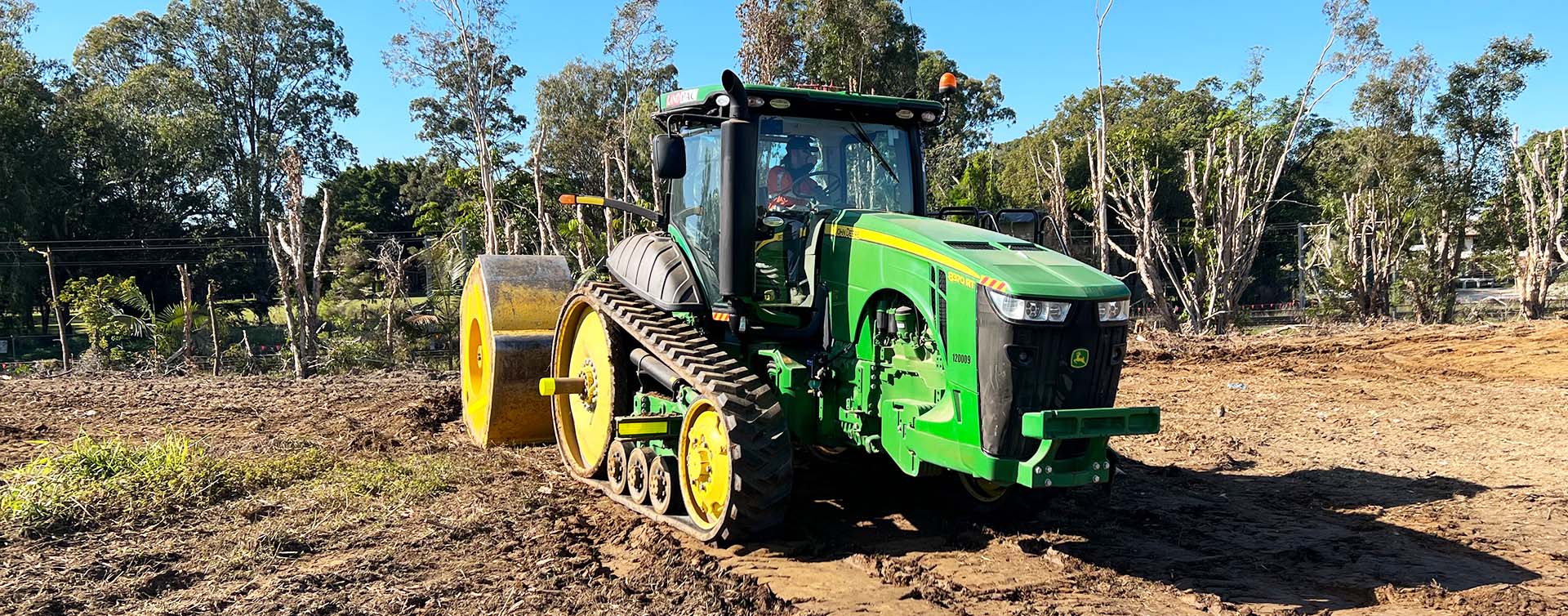
Land rehabilitation represents a critical environmental endeavor, aiming to restore the natural state of land after the ravages of mining
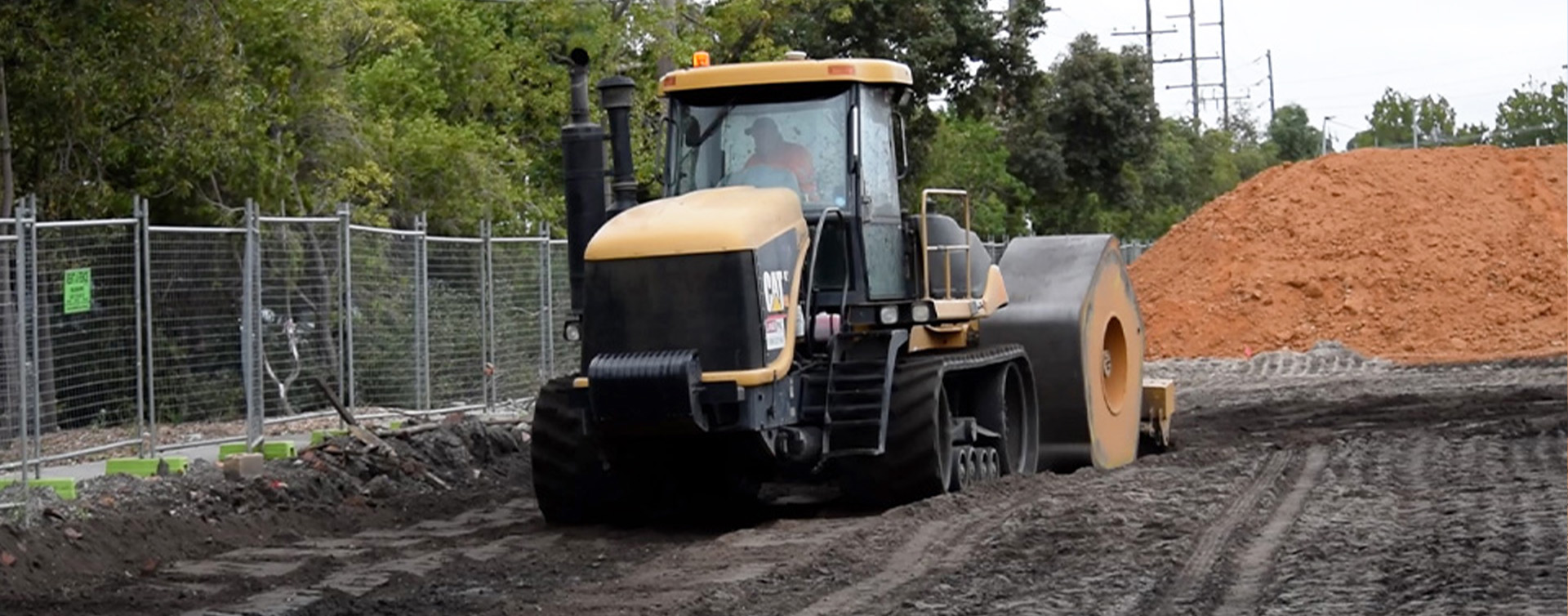
One primary concern with deleterious materials is their containment. HEIC plays a pivotal role here, compacting the soil to form
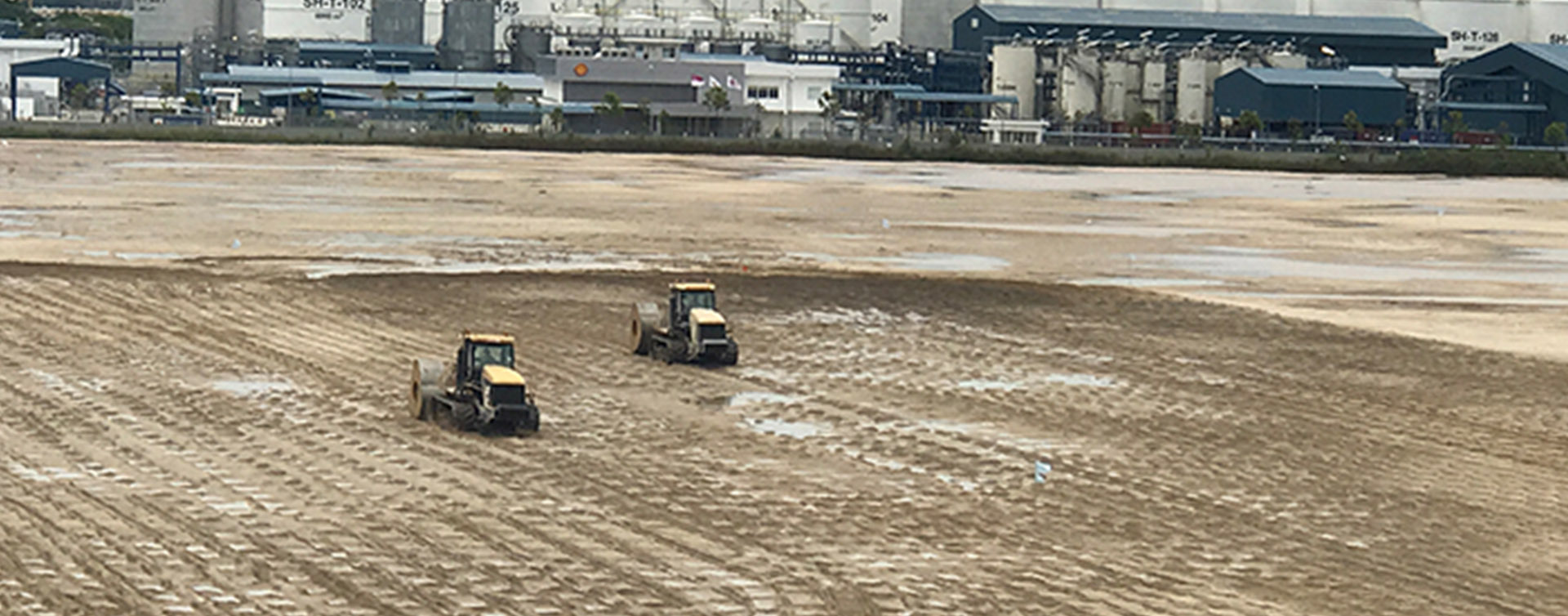
Tuas Terminal Phase 1 (TTP1), an ambitious initiative by the Singapore government, aims to consolidate its world-class container port facilities.
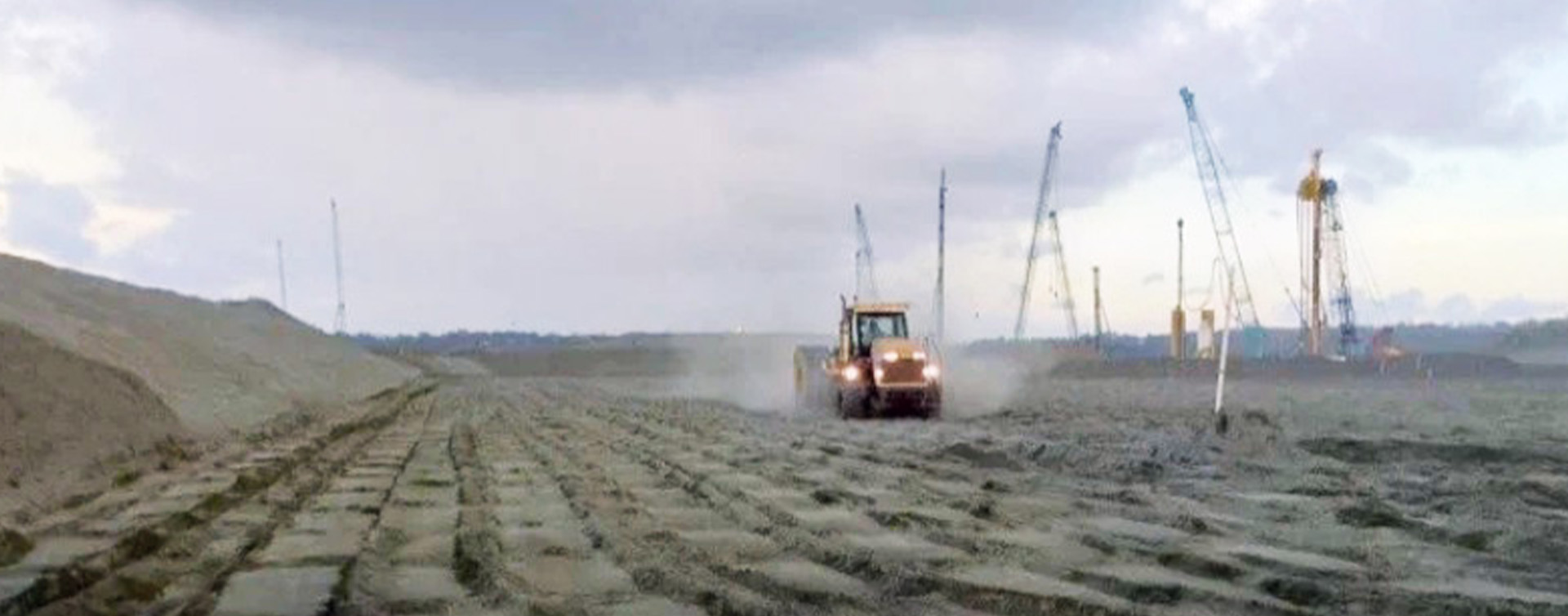
The expansion of Moin Container Terminal in Limon, Costa Rica, crucial for handling 80% of the country’s freight, involved developing
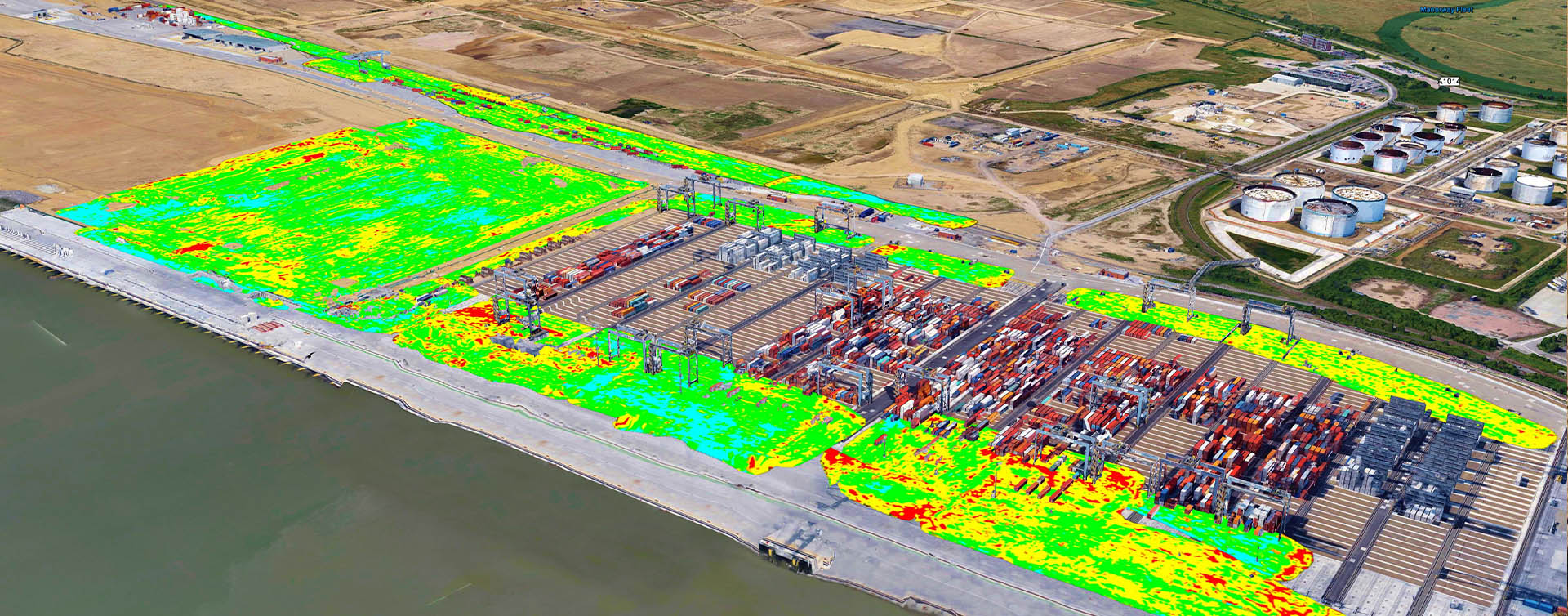
The London Gateway project, a major deep-sea container port in Essex, UK, involved extensive land reclamation using dredged fill.
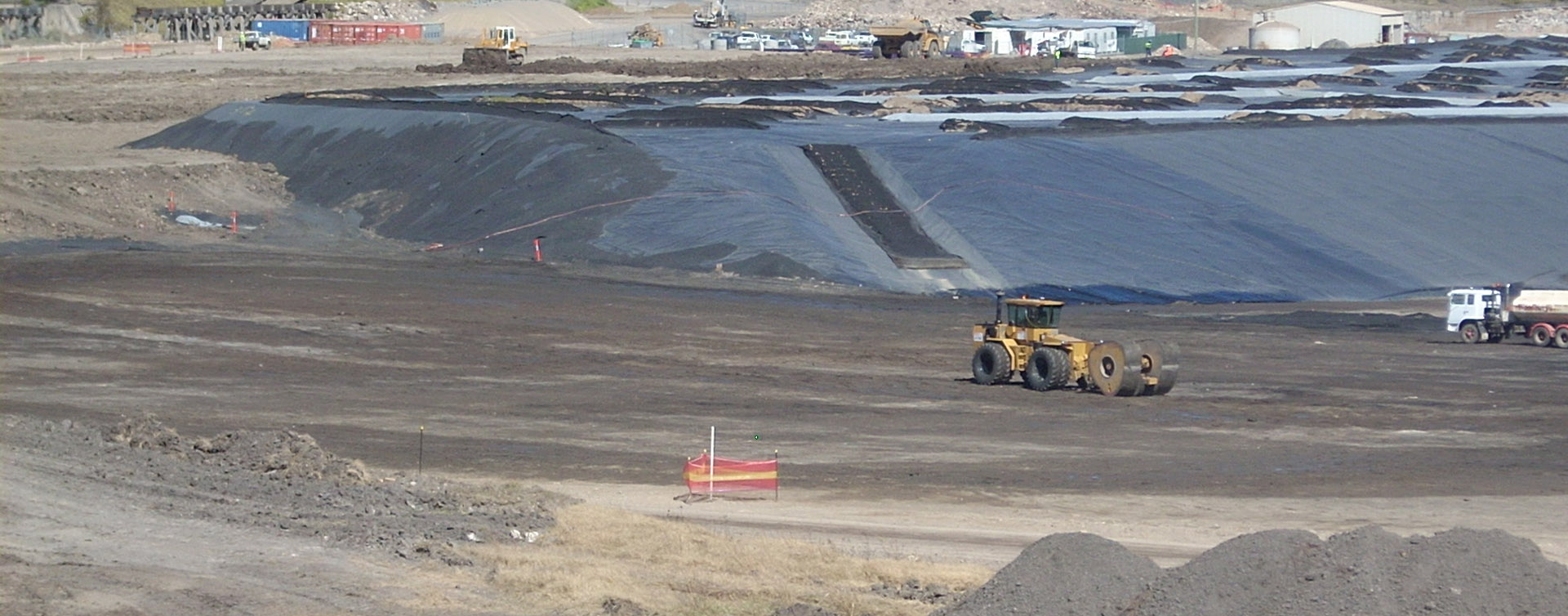
The Jebel Ali Port expansion in Dubai entailed reclamation behind Quay 4 and Berth 21, requiring the backfilling of dredged