Skip to content
  • Services
  • Markets & Industries
  • High Energy Impact Compaction
    • Applications
    • Uses
    • Equipment
    • In-situ Compaction
  • Technology
  • About
    • Contact Us
    • HEIC Checklist
    • Case Studies and Technical Papers
    • Projects
    • News and Updates
    • Frequently Asked Questions
  • Services
  • Markets & Industries
  • High Energy Impact Compaction
    • Applications
    • Uses
    • Equipment
    • In-situ Compaction
  • Technology
  • About
    • Contact Us
    • HEIC Checklist
    • Case Studies and Technical Papers
    • Projects
    • News and Updates
    • Frequently Asked Questions
1300 237 045
GET IN TOUCH

Why Modulus Matters: Moving Beyond Density in Ground Improvement
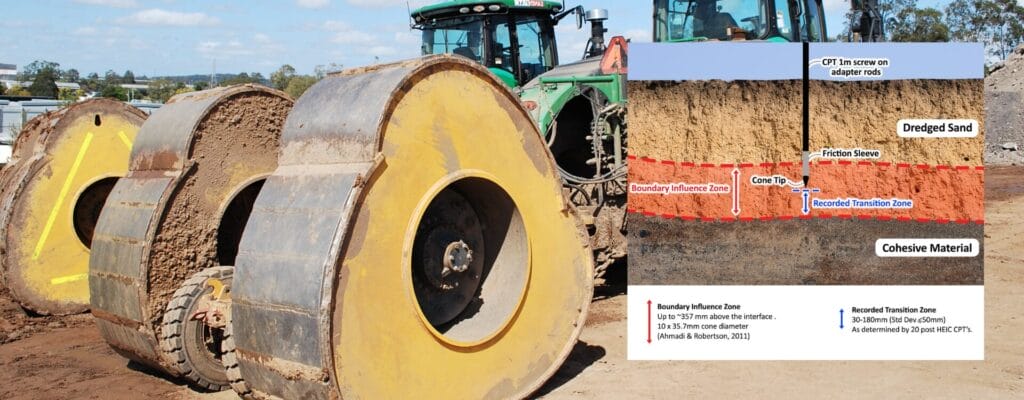
Two green tractors with yellow rollers work, showcasing Modulus vs Density in ground improvement.

Density has long guided compaction, but it does not reflect how ground performs under load. This article explores the shift to modulus-based verification using HEIC, ICM and in-situ testing.

Intelligent Compaction Measurement (ICM) Technology Explained
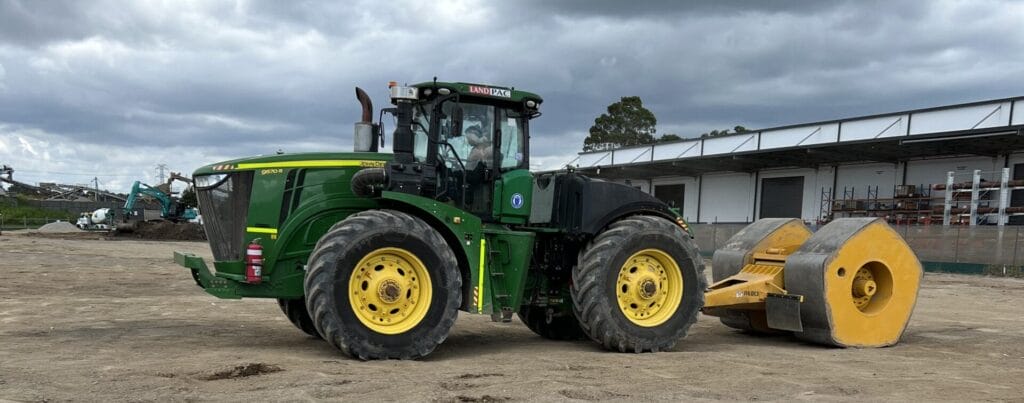
A green tractor with large yellow wheels is towing a heavy yellow roller on a construction site. The sky is overcast, and there are industrial buildings in the background. The ground appears to be dirt or gravel.

ICM optimises HEIC with real-time data, ensuring uniform soil compaction for stronger, sustainable infrastructure. It reduces material use, energy consumption, and maintenance, making construction greener and more efficient.

Tuas Terminal Phase 1: Ground Improvement and Compaction
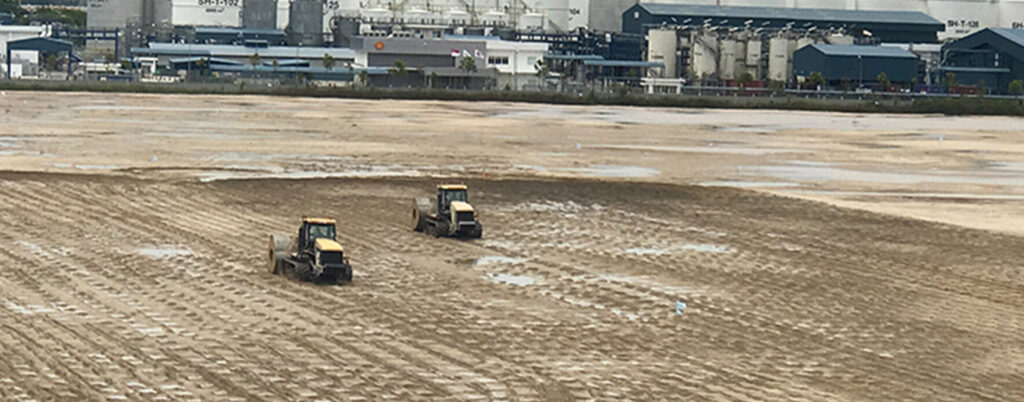
Two tractors work diligently on leveling a large, muddy field at Tuas Terminal, Phase 1, with the looming industrial complex in the background. The buildings have chimneys and industrial structures, evoking a factory setting. An overcast sky lends a muted tone to the scene.

Tuas Terminal Phase 1 (TTP1), an ambitious initiative by the Singapore government, aims to consolidate its world-class container port facilities.

HEIC Ground Improvement for Jebel Ali Port
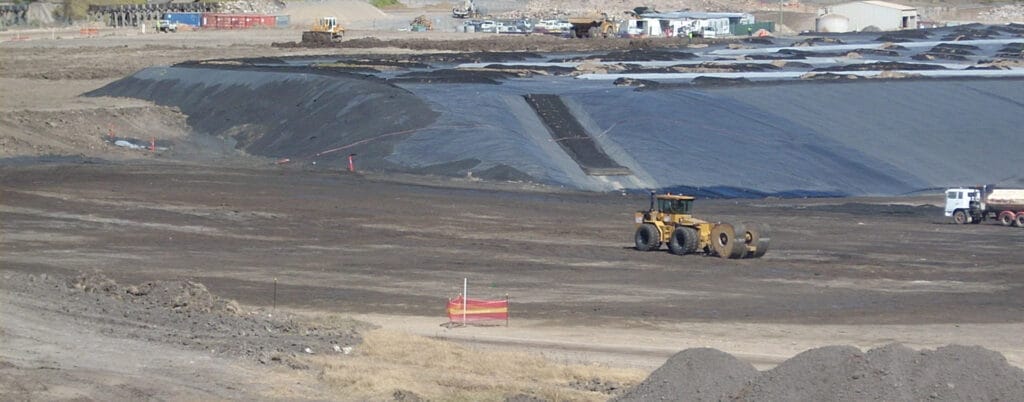
A construction site at Jebel Ali Port showcases a vast expanse covered with black tarp or liner, surrounded by earth-moving equipment and vehicles. In the background, various construction materials and temporary structures are visible, highlighting the dynamic development in the area.

The Jebel Ali Port expansion in Dubai entailed reclamation behind Quay 4 and Berth 21, requiring the backfilling of dredged marine sands to a depth of 16m.

Ground Improvement at Port Botany Container Terminal Expansion
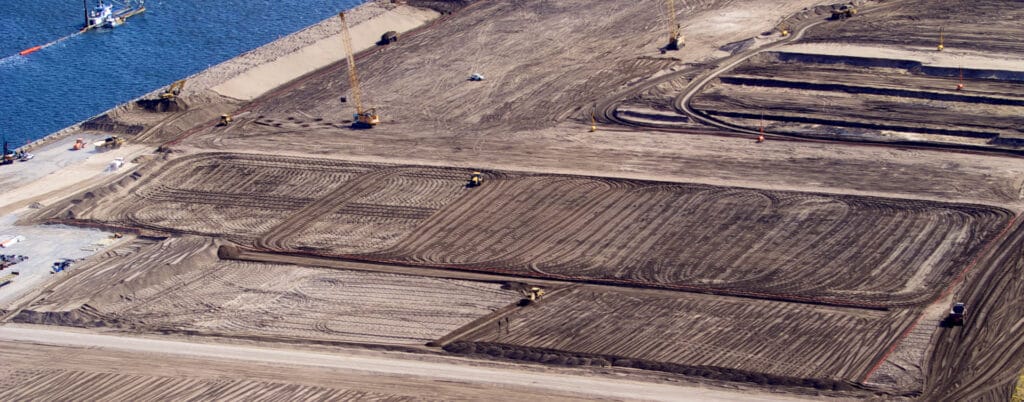
Aerial view of a construction site near a body of water, hinting at the expansion of Port Botany. The site features large, rectangular plots of dirt with visible tire tracks. Several cranes and construction vehicles are scattered throughout the area, working on land preparation for a future container terminal.

The Port Botany Container Terminal Expansion was a major project in Sydney, Australia, involving the reclamation of 63Ha using 8 million m³ of dredged sand.

High Energy Impact Compaction for Landfills
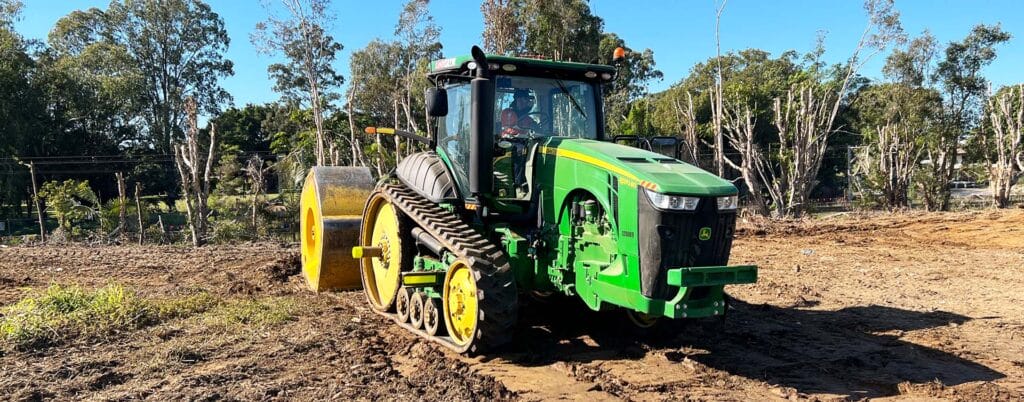
A green tractor with large rubber tracks and a yellow attachment is working on a dirt field, showcasing precision agriculture. Trees and greenery flourish in the background under a clear blue sky, signaling an environmental revival.

Landfills play a crucial role in waste management, providing a controlled environment for the disposal of solid waste materials.

Concrete Breaking and Demolition with HEIC
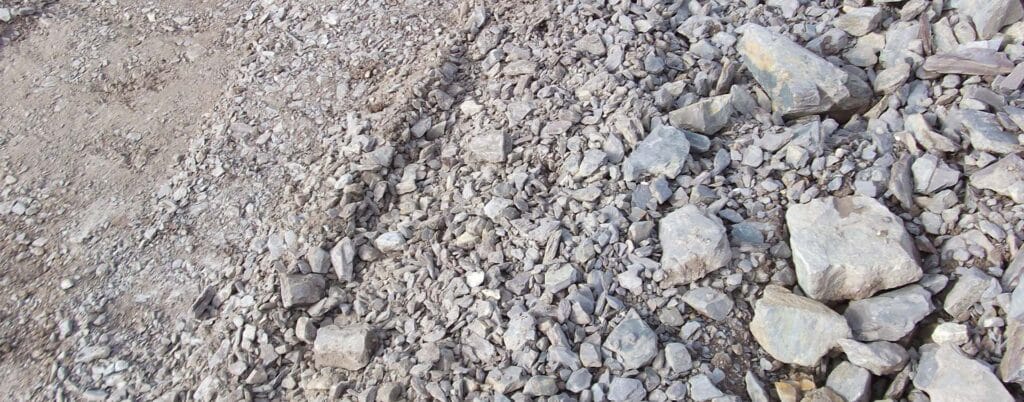
A close-up view of a rocky terrain, reminiscent of a demolition site, featuring various sizes and shapes of grey stones and gravel spread across the ground.

High Energy Impact Compaction (HEIC) is a powerful technique that can be utilised for concrete breaking, offering several advantages over traditional methods.

High Energy Impact Compaction for Coal Discard
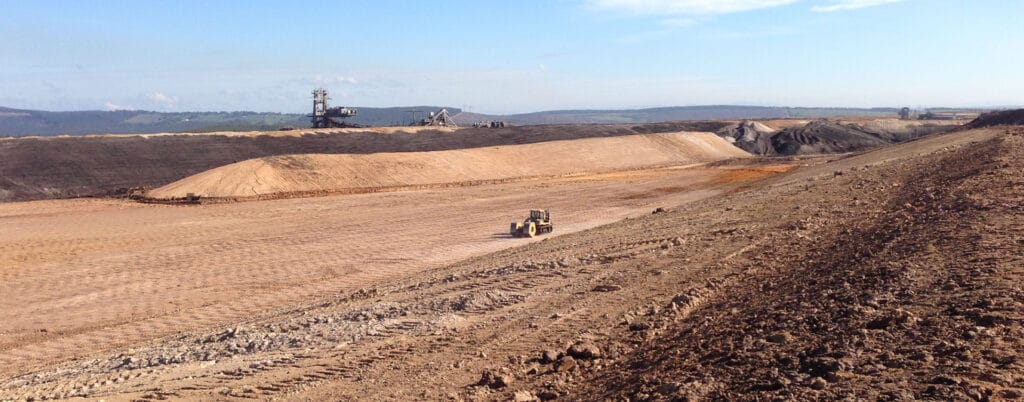
A panoramic view of a vast, barren landscape with a bulldozer focusing on High Energy Impact Compaction at a large open-pit mining site. In the background, distant hills and scattered coal discard machinery rest under a clear blue sky.

In the mining industry, managing coal discard or coal waste is a significant challenge. Left unmanaged, these discards can lead to environmental pollution and land instability.

Impact Compaction for In-Situ Uncontrolled Fills

A large yellow road roller performs in-situ impact compaction at a construction site. The machine, with its two wide cylindrical steel drums, is surrounded by dirt and uncontrolled fills, with a grassy area visible in the background.

In construction and infrastructure projects, dealing with in-situ uncontrolled fills often presents an engineering challenge.

Management of Dredged Sands with HEIC

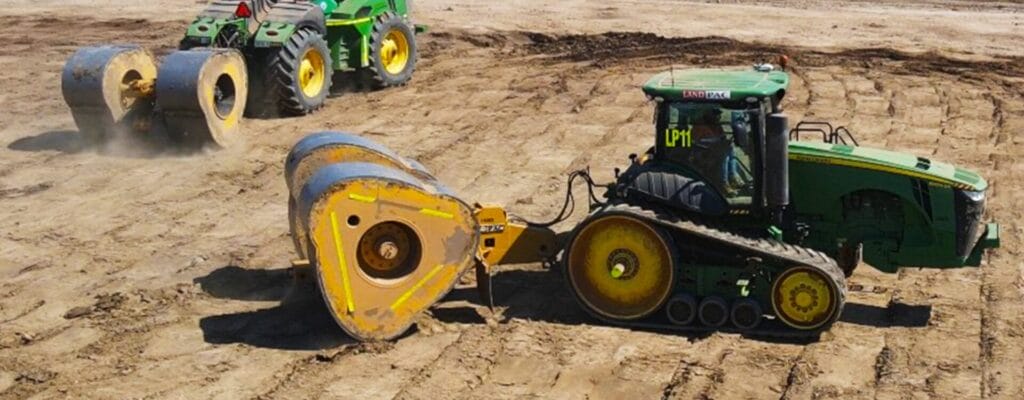
Aerial view of a yellow construction vehicle smoothing a dirt road with two large metal rollers, navigating over freshly dredged sands. The road appears newly formed with alternating tracks. Shadows and textures add depth to the scene, showcasing precise management of the terrain.

The effective management of dredged sands poses significant challenges and opportunities for construction and environmental projects alike.

Next →

Your compaction experts 
across Asia-Pacific

Instagram
  • 1300 237 045
  • info@landpac.com.au
  • Landpac Technologies
    25 York Road, Ingleburn NSW 2565
  • Get a quote
  • →   Get in touch
  • →   Services
  • →   Markets & Industries
  • →   High Energy Impact Compaction (HEIC)
  • →  Technology
  • →   Get in touch
  • →   Services
  • →   Markets & Industries
  • →   High Energy Impact Compaction (HEIC)
  • →  Technology

© Copyright Landpac 2026 —

Privacy Policy