
High-Energy Impact Compaction: Calibration, Correlation and Ground Response

HEIC does not measure modulus or bearing capacity directly. It measures how the ground responds to impact. This article explains how calibration and correlation transform that response into meaningful, site-specific engineering insight.
Understanding High Energy Impact Compaction (HEIC)
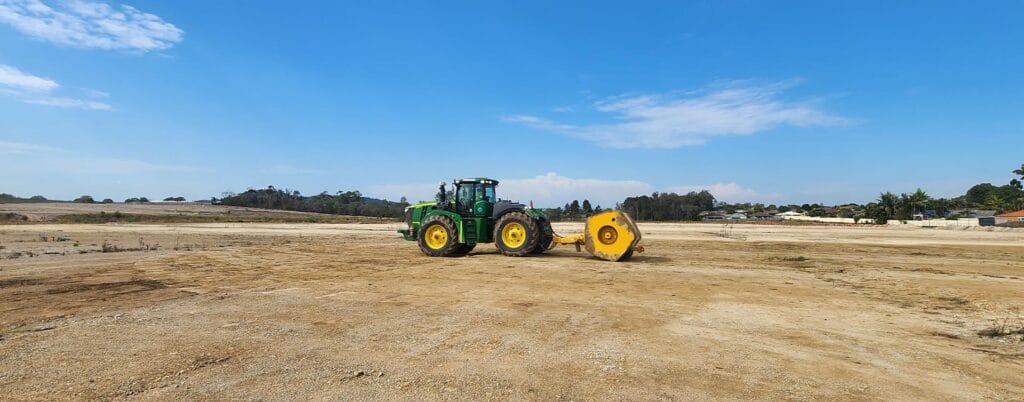
High Energy Impact Compaction (HEIC) revolutionises ground improvement with its ability to achieve superior soil density and stability. Unlike traditional methods, HEIC uses advanced rollers and compaction technology to penetrate deeper soil layers.
How High Energy Impact Compaction supports Sustainable Construction Practices

HEIC boosts sustainable construction by stabilising soil, cutting environmental impact, and reusing existing land. It’s a fast, efficient way to build stronger, longer-lasting infrastructure while protecting the environment.
Reviving Land with Purpose and Precision
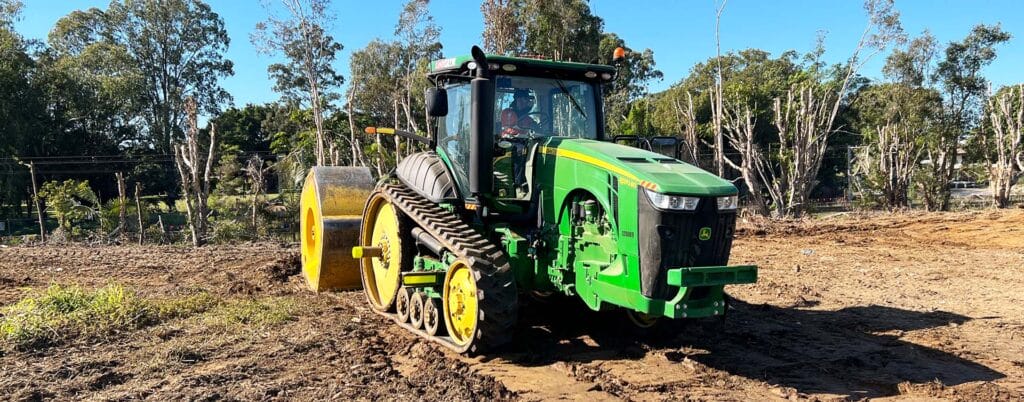
Land rehabilitation represents a critical environmental endeavor, aiming to restore the natural state of land after the ravages of mining or other forms of degradation.
Compaction Verification in Construction
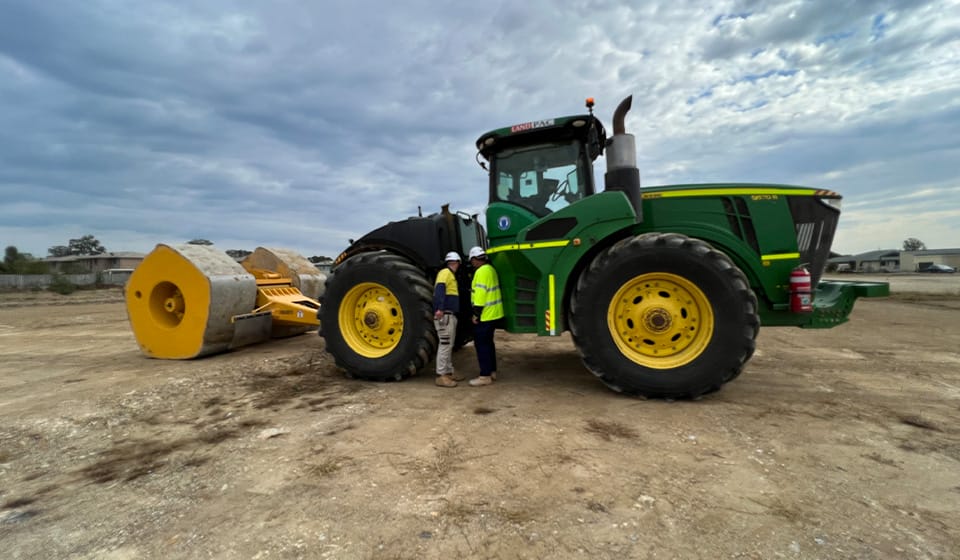
Ground improvement, also known as soil stabilisation, is an essential process in the civil and geotechnical engineering realm.
The Critical Role of Site Soil Characteristics

Comprehensive site soil characteristics analysis is vital, providing essential information for developing effective ground improvement strategies and optimising construction plans.